Industrial Components and MRO: A Plain-Language Glossary
A plain-language introduction to MRO terms and concepts—maintenance strategies, spare parts, work orders, and common industrial-component vocabulary.
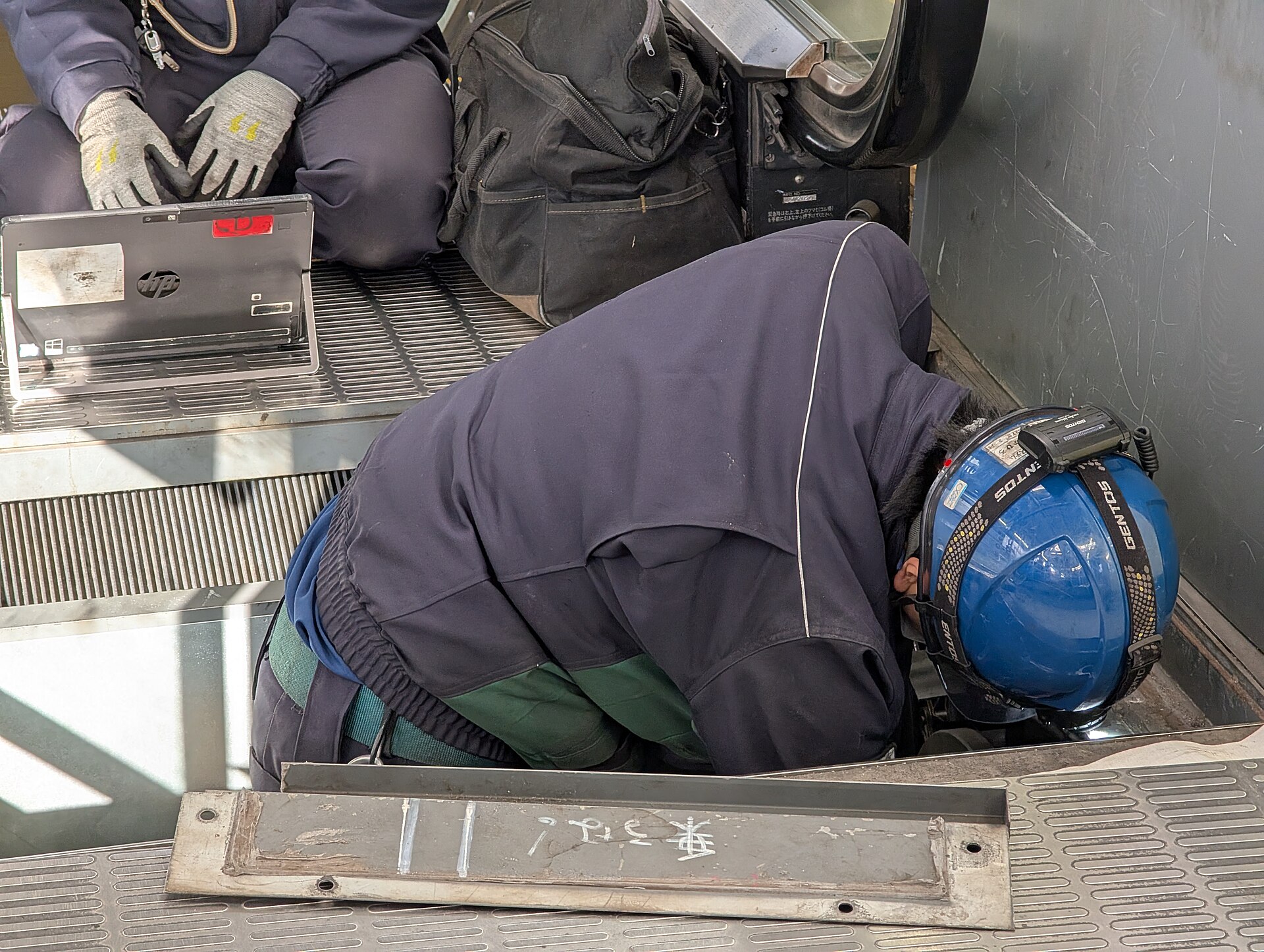
Cover: Own work · Wikimedia Commons · CC0
Question: What do common industrial-components and MRO terms mean in plain English?
MRO and industrial components in plain language
MRO stands for maintenance, repair, and operations. In some industries, such as aviation, the same abbreviation is used for maintenance, repair, and overhaul. In manufacturing and industrial operations, it is a category of work and inventory rather than a single product. It includes replacement parts, consumables such as filters and seals, tools, and the labor needed to keep machines and facilities running. 'Industrial components' usually refers to parts such as bearings, gears, motors, pumps, valves, belts, hoses, sensors, and fasteners that are used in larger machines and systems. Understanding the terms around MRO helps teams order the right part, schedule the right task, and communicate clearly across maintenance, engineering, and purchasing.
Planned and unplanned maintenance
Preventive maintenance is work carried out on a regular schedule, such as cleaning, lubrication, inspection, or replacing parts before they fail. Predictive maintenance uses signs from the equipment—such as vibration, temperature, sound, or wear—to decide when intervention is needed. Corrective maintenance is repair work performed after a fault has been found or a breakdown has occurred. Reactive maintenance is sometimes used as a term for work that is left until failure. Facilities often use a mix of these strategies based on cost, risk, and how critical a piece of equipment is to production.
Key MRO terms explained
A work order is a formal record of a maintenance task, including what was found, what was done, and what parts were used. A CMMS, or computerized maintenance management system, is software used to create and track work orders, schedule maintenance, and keep equipment history. A spare part is an item kept in stock to replace a worn or failed part. An OEM is the original equipment manufacturer—the company that designed and built the component. A failure mode describes the way a part or system fails, such as seizure, leakage, or breakage. Condition monitoring is the practice of measuring indicators like vibration or temperature to spot changes before failure. Asset management is the coordinated set of activities that seeks to get the best value from physical equipment over its life. Mean time between failures is an estimated measure of how long a part or system runs before a failure occurs; it is a reliability summary, not a guarantee.
Spare parts and MRO inventory
MRO inventory is the stock of parts and supplies used for maintenance rather than for making a product. It may include fasteners, seals, filters, bearings, belts, lamps, and safety supplies. Because MRO items vary widely in cost and frequency of use, a facility needs a clear way to identify, store, and reorder them. Simple records usually include a part number, description, supplier, location, and minimum quantity. Stocking decisions weigh the cost of holding the item against the cost of downtime if it is not available.
Why clear terminology matters
A shared vocabulary helps different teams work together. When an engineer, a buyer, and a technician use the same words for a component or a maintenance task, there is less chance of ordering the wrong part or carrying out the wrong procedure. Plain-language definitions also support training, safety communication, and the useful records that maintenance teams rely on over time. Safety-related terms, such as lockout/tagout, are important because they describe when equipment is isolated from energy sources before maintenance work is done.
Sources
- ISO 14224:2016 — Petroleum, petrochemical and natural gas industries — Collection and exchange of reliability and maintenance data for equipment
- ISO 55000:2014 — Asset management — Overview, principles and terminology
- IEC 60050-191 — International Electrotechnical Vocabulary — Dependability and quality of service
- U.S. Occupational Safety and Health Administration — 29 CFR 1910.147, The control of hazardous energy (lockout/tagout)