The Choice: Fluid Power or Air Power
When you need straight-line motion, the first fork in the road is the power source: pressurize a liquid or compress air? The two products here sit at opposite ends of the hydraulics pneumatics spectrum. The 2.5x6 Hydraulic Cylinder runs on hydraulic fluid and is built for high-pressure, high-load jobs. The 1-1/4" Pneumatic Air Cylinder runs on compressed air and is aimed at lighter, faster automation. Picking between them comes down to the force you need, the environment, and how much you're willing to spend.
Quick Verdict
If your work involves lifting, pushing, or clamping heavy loads, the hydraulic tie-rod cylinder is the one to go with. Its pressure and load capacities are the kind of numbers that matter when a job needs real muscle. If you need a lightweight cylinder for repetitive light-duty tasks and you want a simple air-powered unit, the pneumatic cylinder is the one to pick.
Comparison Table
| Spec | 2.5x6 Hydraulic Cylinder | 1-1/4" Pneumatic Air Cylinder |
|---|---|---|
| Price | USD 126.34 | USD 28.72 |
| Bore | 2.5" | 1-1/4" |
| Stroke | 6" | 4" |
| Action | Double-acting | Double-acting |
| Type | Tie-rod cylinder | Standard pneumatic cylinder |
| Color | Black | Silver |
| Condition | New | New |
Where Each Product Wins
The hydraulic cylinder wins when the task is heavy. It's designed for hydraulic fluid and has a maximum operating pressure of 2500 PSI and a column load of 12,270 pounds, so it can handle forces that would stall a small air cylinder. The tie-rod construction and double-acting design are built for repeated heavy-duty cycles.
The pneumatic cylinder wins on simplicity and maintenance. It runs on compressed air, so you don't need a hydraulic pump or reservoir. The aluminum body and self-lubricating bearing keep it light and low on upkeep. And it's the less expensive of the two, which matters when you're buying several units.
Product Notes
2.5x6 Hydraulic Cylinder
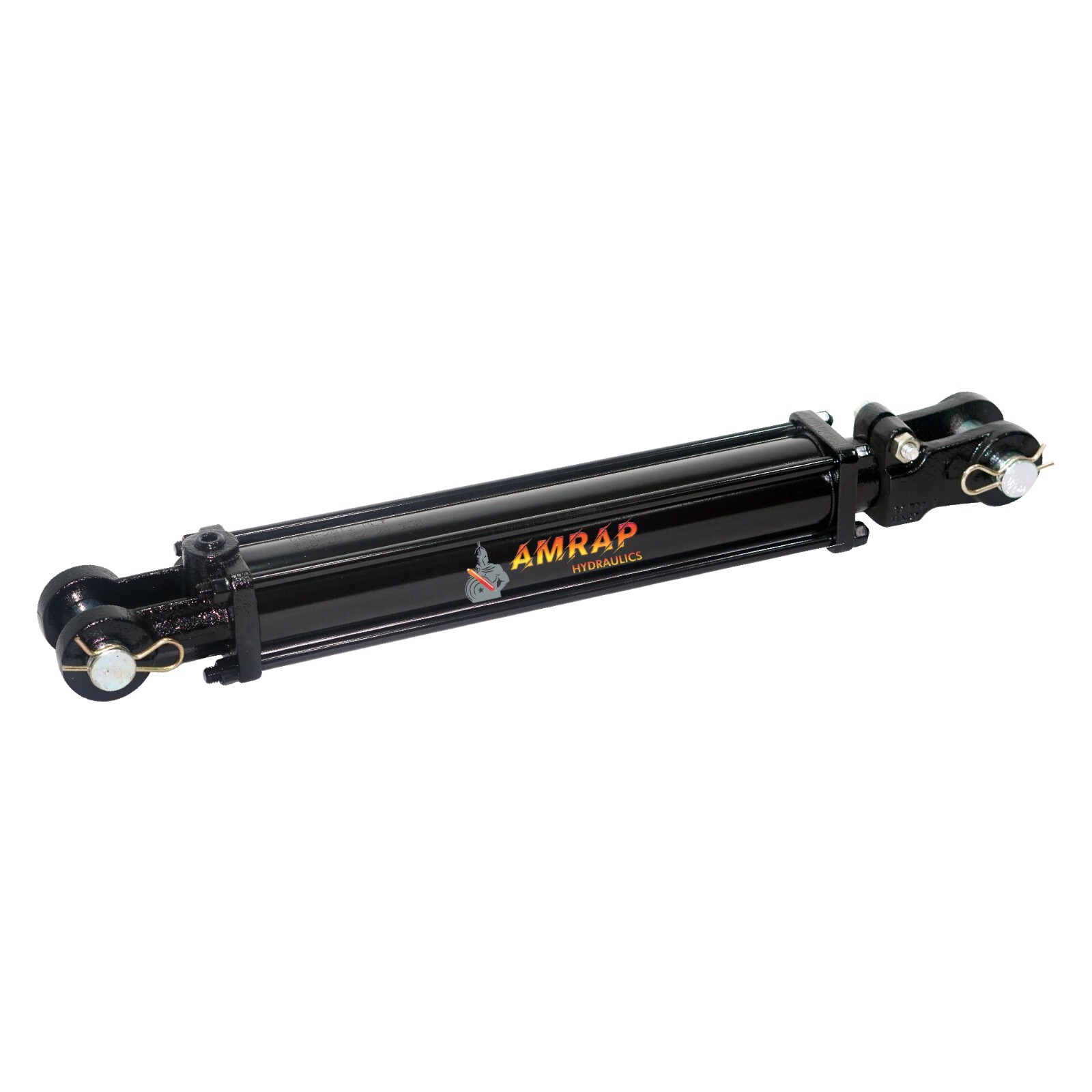
This AMRAP Co cylinder is built for heavy work. It's a double-acting tie-rod cylinder that runs on hydraulic fluid, and the tie-rod construction is a common way to hold the end caps together under high internal pressure. The retracted length of 16 1/4 inches and extended length of 22 1/4 inches give you a clear sense of how much room the cylinder takes up in your machine. Port size, pin hole size, and rod diameter are all specified, which helps you plan the connections and mounting. The main drawback is the need for a hydraulic power source; you'll need a pump, reservoir, and lines to make it move. If you're setting up a hydraulic system from scratch, factor in that extra hardware. For a job that genuinely requires sustained push-and-pull force, this cylinder gives you the capacity to do it.
1-1/4" Bore Pneumatic Air Cylinder
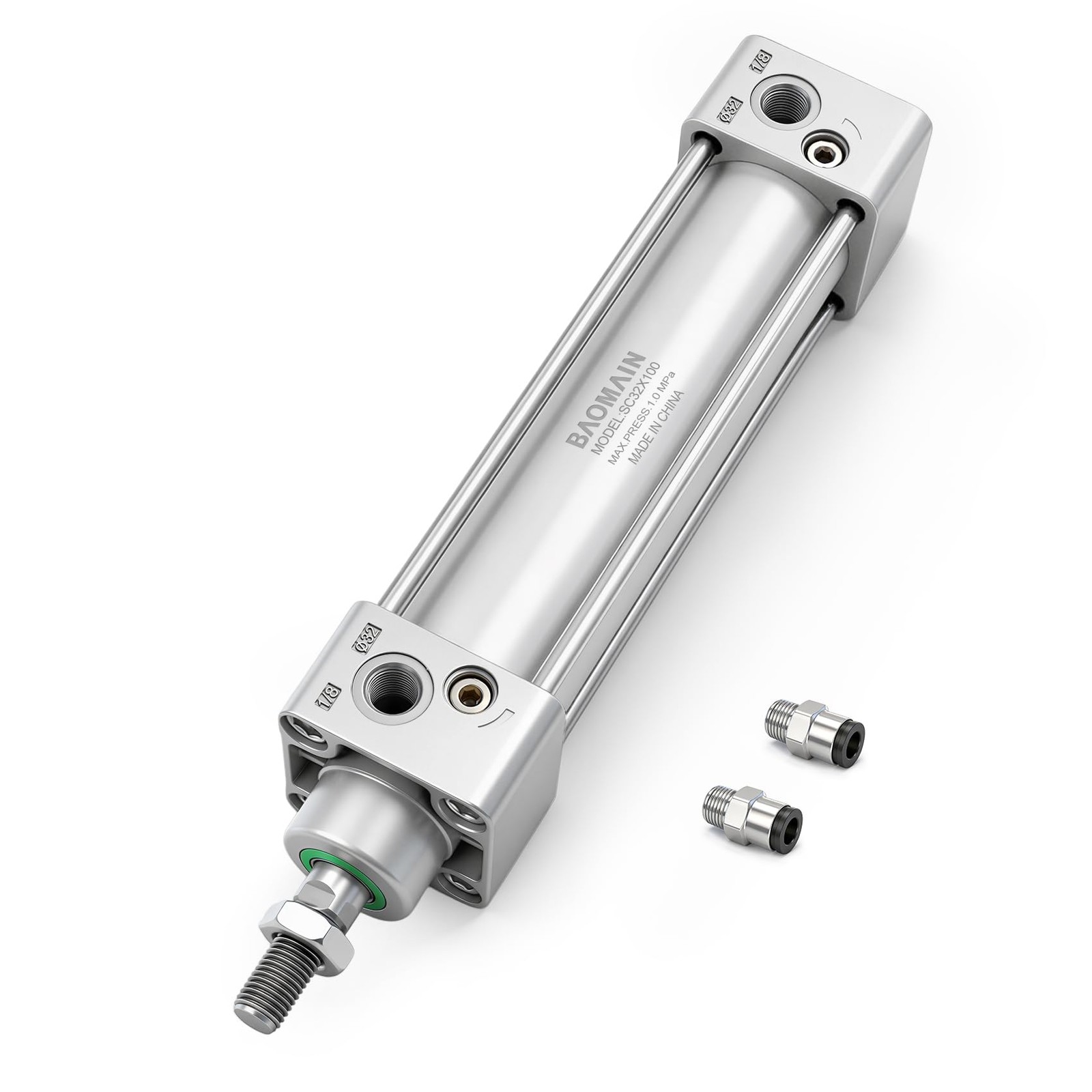
Built for lighter air-powered tasks, the SC32x100 keeps maintenance low with its aluminum body and self-lubricating bearing. Aluminum alloy resists corrosion and keeps the weight down, which is a real advantage on moving equipment or multi-axis automation. The self-lubricating bearing means you can run the rod without adding extra oil, so it's a set-and-forget component in many cases. It's double-acting, so it can push and pull with compressed air, and the standard bore and stroke make it a straightforward replacement in many pneumatic circuits. The limitation is that it's a pneumatic device, not a hydraulic one, so it's not designed for high-pressure fluid loads. For light loads and frequent cycling, this is the simpler option to put to work.
Final Choice by Use Case
Choose the 2.5x6 Hydraulic Cylinder when your job needs high pressure and high column load-think heavy lifting, pressing, or clamping. Choose the 1-1/4" Pneumatic Air Cylinder when you want a simple, air-powered actuator for automation tasks with lighter loads, especially where maintenance simplicity is a priority.