When you need to control flow in an industrial line, the choice often comes down to automation versus simplicity. The ASCO 8215C83 solenoid valve and the FNW Fig 321A ball valve answer that question in opposite ways. One is an electrically actuated valve designed for low-pressure systems; the other is a manually operated carbon steel valve with a traditional lever. Your line size, available power, and control preference will decide which one makes sense for your setup.
Quick verdict
If your process needs automatic flow control from a 120VAC signal, the ASCO 8215C83 is the valve to get. If you would rather keep things mechanical and skip the electrical circuit, the FNW Fig 321A is the more straightforward everyday option. Think about how often you need to cycle the valve: frequent remote cycling points to the ASCO, while occasional shutoff points to the FNW. The two also serve different control styles, so your choice comes down to how you will operate the valve.
At a glance
Here is how the two valves compare on price, size, and pressure marking.
| Product | Listed price | Relative price | Size and end connection | Pressure marking |
|---|---|---|---|---|
| ASCO 8215C83 2-inch NPT Solenoid Valve | USD 95.55 | 2-inch NPT | 0-25 PSI | |
| FNW Fig 321A 3/4-inch Ball Valve | USD 39.00 | 3/4-inch FPT | 150 WSP |
Where each wins
ASCO 8215C83 wins for low-pressure lines that need 120VAC-controlled flow. FNW Fig 321A wins for industrial lines where a direct, hand-operated carbon steel valve is enough. If your priority is remote switching, start with the ASCO. If your priority is a simple shutoff, start with the FNW.
Product notes
ASCO 8215C83 2-inch NPT Solenoid Valve
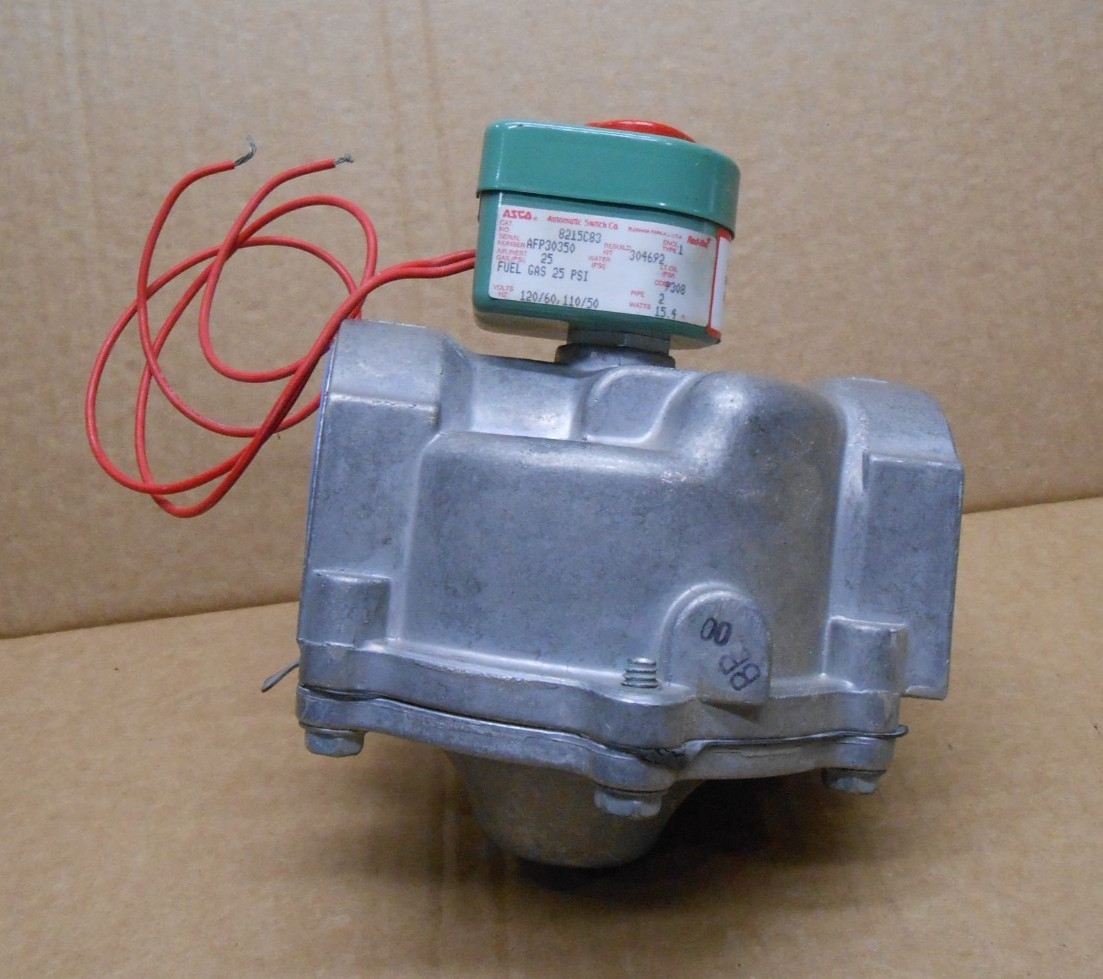
The ASCO 8215C83 carries a 0-25 PSI pressure marking and a 2-way normally open design. If your line stays within that pressure range and you can supply 120VAC, this valve can be wired into a control setup that cycles flow from a distance. It is a specialized component rather than a universal hand valve, so it suits applications where automation is already part of the system. The limitation is equally clear: without power, it is not a usable manual shutoff. If 120VAC is not available or you need a valve that operates with zero electricity, this is not the one. For the right low-pressure control loop, the ASCO offers a distinct advantage.
FNW Fig 321A 3/4-inch Ball Valve
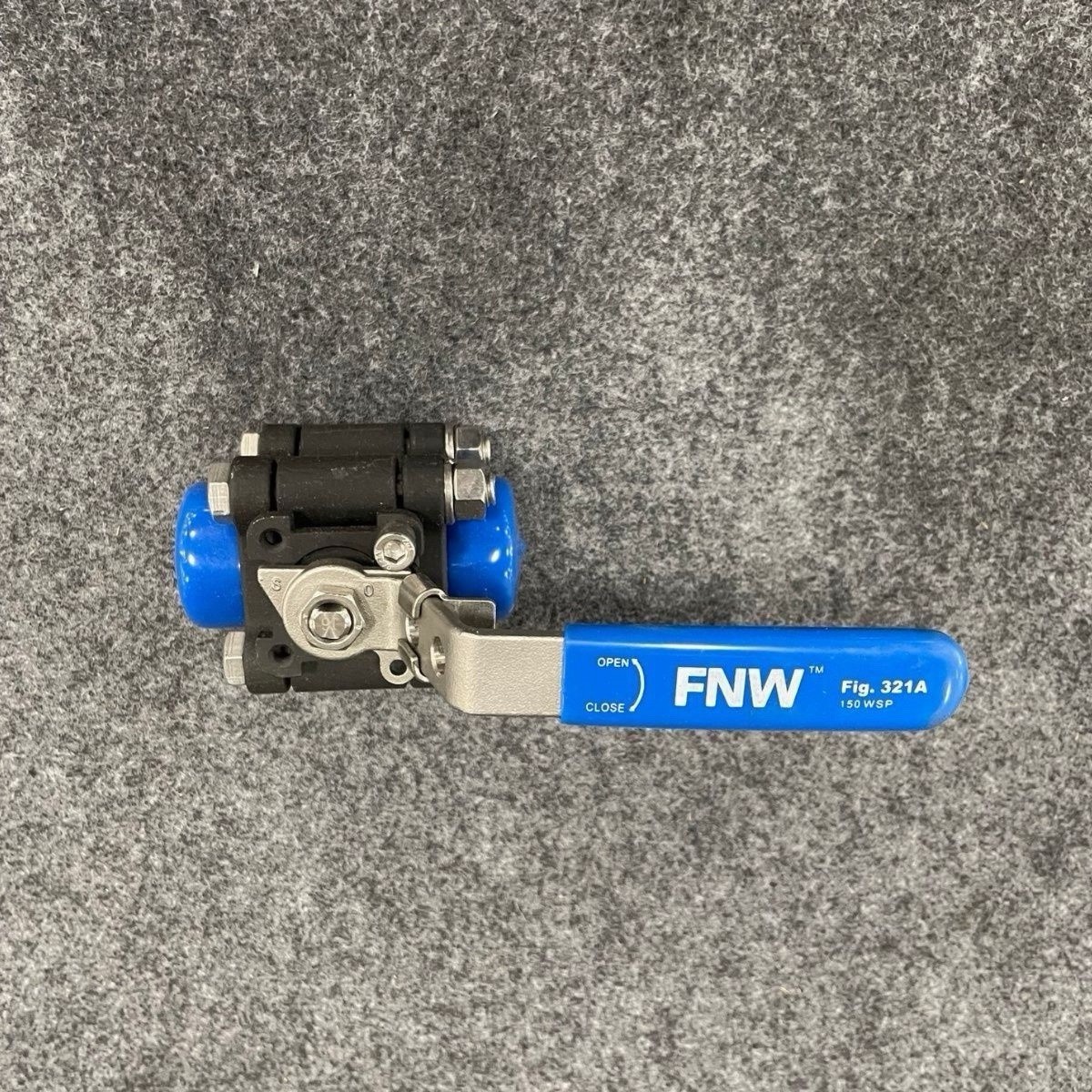
The FNW Fig 321A is a carbon steel ball valve with a manual lever handle. The lever gives you direct control, and the carbon steel body is a sturdy fit for industrial service. Because there is no electrical circuit involved, it works anywhere you can reach the handle. The tradeoff is that it cannot respond to a control signal on its own; automating it would require adding an actuator that is not included. For a simple shutoff valve that you can turn by hand, the FNW is a practical, lower-priced choice.
Final choice by use case
Pick the ASCO 8215C83 when you need automated, signal-driven flow control in a low-pressure line with 120VAC available. Pick the FNW Fig 321A when you want a carbon steel, hand-operated shutoff valve that does not need power. Let the way you intend to operate the valve be the deciding factor.