When you're shopping in bearings, couplings, and power transmission, the coupling between components is a small part that makes a big difference. Two common options are flexible spider inserts and rigid plastic chain couplers. The first cushions shock between motor and driven shaft; the second links sprockets on a line shaft conveyor. They solve different problems, so your choice comes down to what you're connecting. A spider insert is forgiving, absorbing misalignment and vibration; a chain coupler is direct, joining two sprockets without a flexible element. Knowing which one you need starts with looking at the parts you're trying to connect.
Quick verdict
Choose the Elastic Spiders MT PU Insert ($95.99) when you need a flexible buffer for a shaft coupling. Choose the Delrin Coupler ($69.71) when you want a clean, easy way to connect sprockets on a line shaft conveyor.
At a glance
| Feature | Elastic Spiders MT PU Insert | Delrin Coupler |
|---|---|---|
| Price | $95.99 | $69.71 |
| Role | Flexible spider insert for shaft couplings | Plastic chain coupler for line shaft conveyors |
| Material | TPU/CPU with 90~95A hardness | Delrin with lock pins |
| Fit / Application | MT-012 spider pattern | For two 4016 sprockets |
Where each wins
The Elastic Spiders insert wins when your transmission needs shock absorption. Its TPU/CPU material has a springy hardness, and it is designed for the cushioning joint of a transmission shaft. The Delrin Coupler wins on the line shaft floor, where you want a fast connection without the mess of steel chain.
Product notes
Elastic Spiders For Shaft Coupling MT PU Insert Coupling Shaft Coupling/Buffer
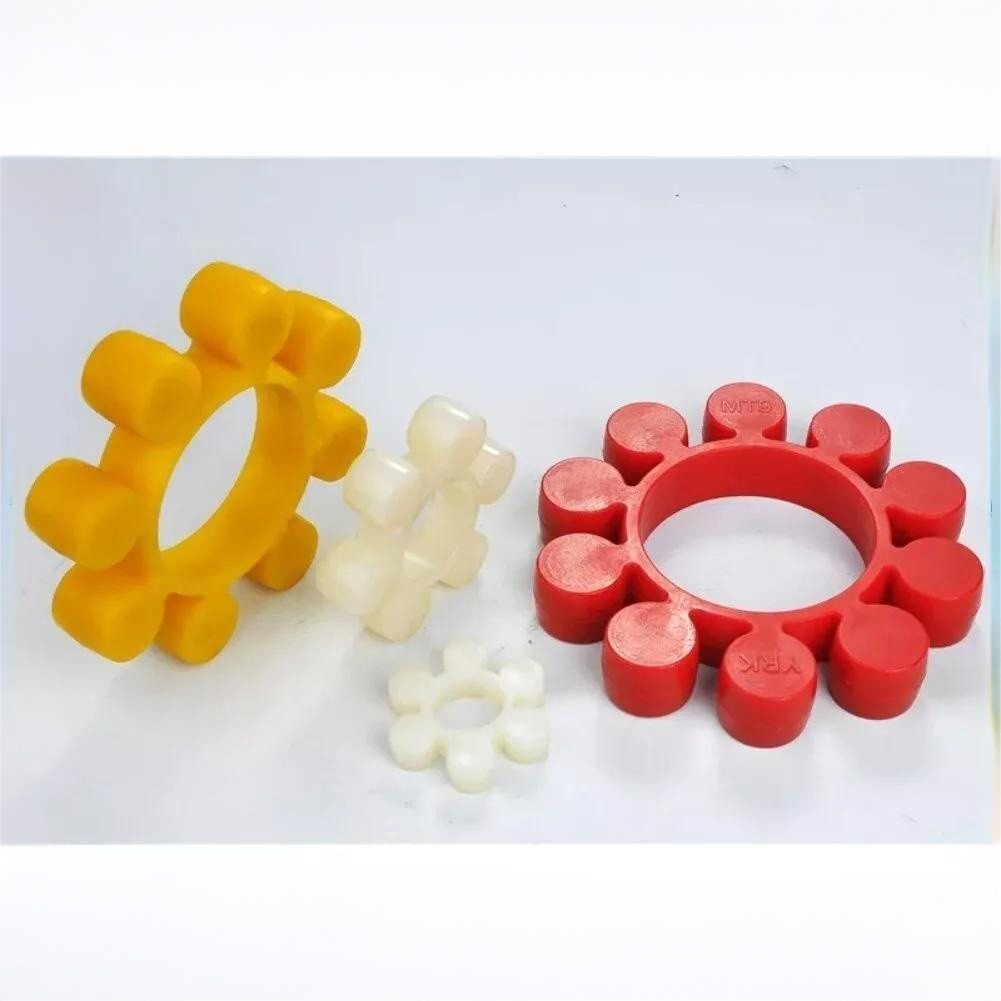
This MT-style spider insert is the flexible cushioning piece that sits between coupling halves on a transmission shaft. Its TPU/CPU material has a 90-95A hardness, so it can absorb shock while transferring torque. According to the listing, the spider works in temperatures from -35°C to +100°C and handles torque from 22.4 up to 2500Nm, which makes it suitable for large equipment. The model MT-012 lets you match it to an existing coupling pattern. The main thing to remember is that this is the insert, not the complete coupling. You'll need the metal hubs and any mounting hardware to make the connection work. Also, because the description lists many sizes in the MT series, make sure MT-012 is the exact spider you need for your shaft size.
Delrin Coupler Plastic Sprocket Coupling Chain for Line Shaft Conveyor - Qty 2
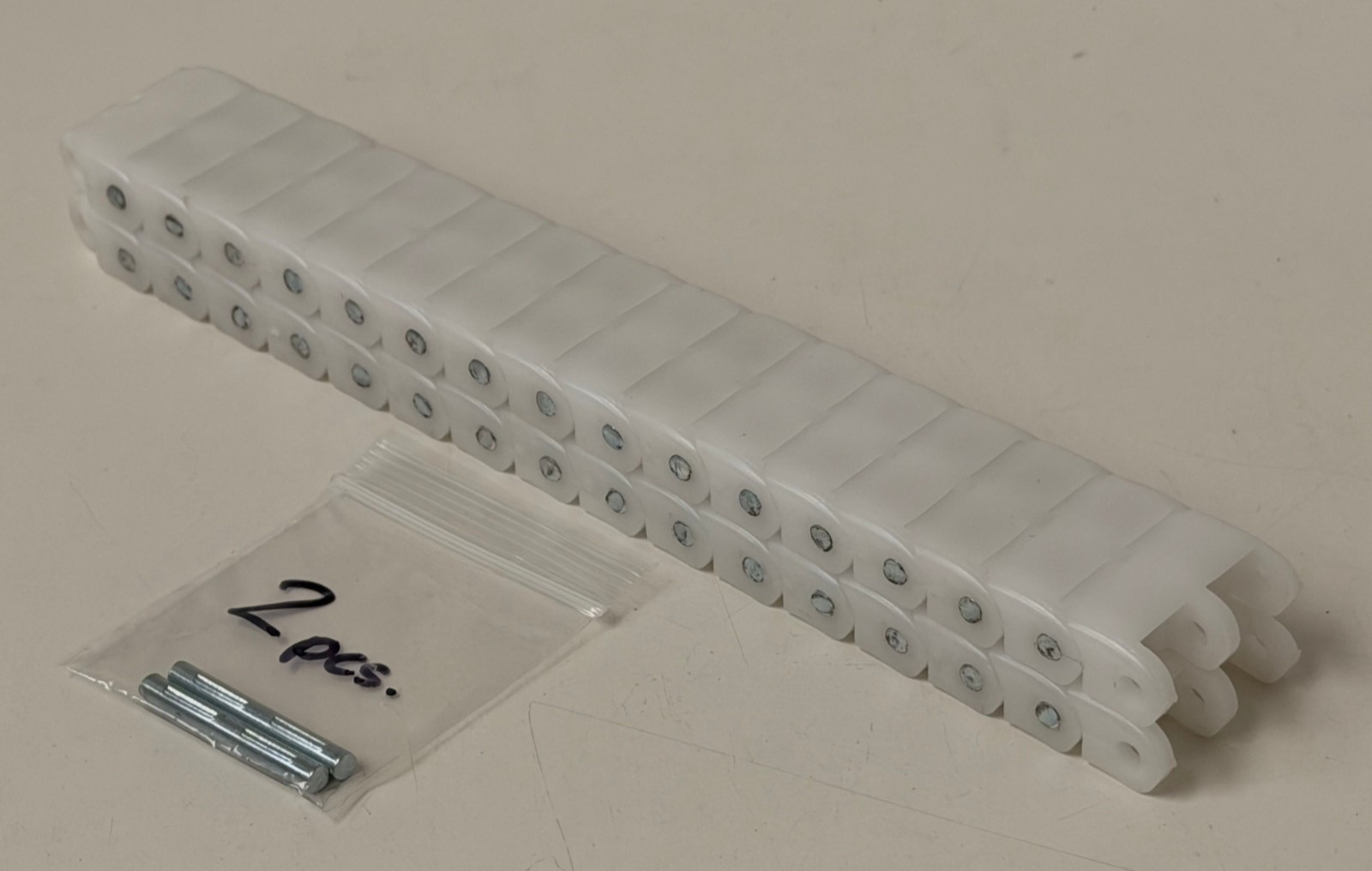
This pair of Delrin chain couplers is a clean alternative to greasy steel chain links on line shaft conveyors. The listing includes two new couplers with lock pins, so you get a spare or a matching set for a two-position connection. They're designed to connect two 4016 sprockets, which the listing says are the most common sprocket size on these conveyors. Installation is simple: align the sprockets, wrap the coupler around the teeth, and compress the lock pin through the hole. The Delrin material means no grease mess and no loose small parts to track down. The limitation is that the fit is tied to 4016 sprockets, so these are not a general-purpose shaft coupling. For a line shaft conveyor using 4016 sprockets, this is a straightforward, low-maintenance fix.
Final choice by use case
Choose the Elastic Spiders insert when your priority is damping vibration between a motor and driven shaft, and you already have the coupling hubs. Its flexible spider design is the right call for machinery that needs shock cushioning. Choose the Delrin Coupler when you're working on a line shaft conveyor and want a quick, clean connection. The two-coupler set gives you a ready spare, and the compressed lock pin keeps install simple. If you need a coupling for a conventional shaft-to-shaft joint, go with the spider insert; if you're joining sprockets on a line shaft, the Delrin coupler is your answer.