When you're piecing together a drivetrain, the small part between two shafts can decide whether your machine runs smoothly or shakes itself apart. For bearings couplings power transmission projects, you've got two very different approaches: a face flange mounted shaft collar and a 40Cr steel flexible shaft coupling. One clamps around a shaft to create a sturdy hub mount; the other transmits torque and accommodates slight misalignment. Which one belongs in your build? The answer depends on shaft size, how you plan to mount the part, and whether you need to handle any shaft misalignment.
Quick Verdict
Pick the face flange mounted collar if you need a rigid, mountable attachment point with multiple bolt-hole options. Choose the 40Cr steel coupling if you're joining a flexible shaft to a motor and want a tight, high-torque connection at a lower price.
Comparison At A Glance
| Product | Price | What It Does Best |
|---|---|---|
| Face Flange Mounted Shaft Collar (Summit Collars) | $38.65 | Clamps a 1-inch shaft with three tapped counterbored holes and three unthreaded holes for mounting flexibility |
| 40Cr Steel CNC Flexible Shaft Coupling | $12.05 | Connects a 4.76mm (3/16-inch) flexible shaft with a tight 0.02mm interference fit |
Where Each Product Wins
- The face flange collar wins for rigid mounting. The aluminum black anodized body resists corrosion and keeps weight down, and the bolt-hole layout gives you several ways to attach a hub or flange.
- The 40Cr steel coupling wins for flexible high-torque connections. CNC machining creates a precise 42mm-long coupling that grips the shaft tightly, reducing play even with a brush-less motor behind it.
Product Notes
Face Flange Mounted Shaft Collar (Summit Collars)
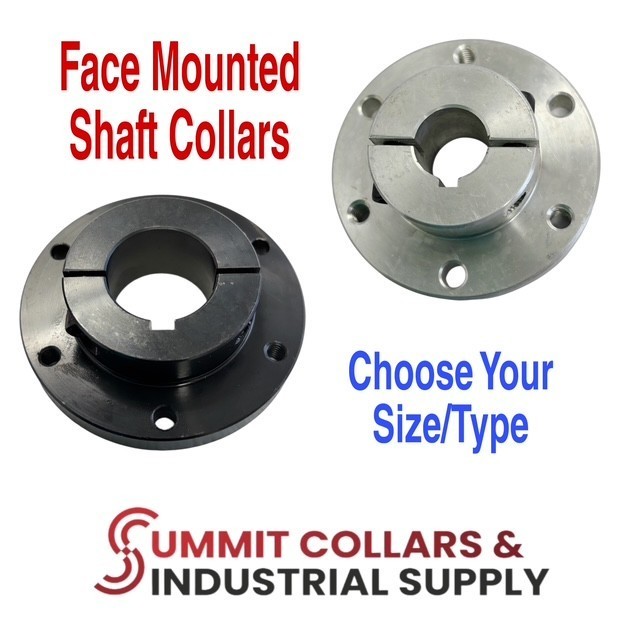
At $38.65, this hub mount collar gives you a solid way to fix a component to a 1-inch shaft. The three tapped counterbored holes and three unthreaded holes provide options for bolts or threaded fasteners without extra drilling. The aluminum black anodized body is lightweight and corrosion-resistant, which helps in exposed or rotating assemblies. The collar clamps evenly around the shaft to hold firmly without marring the surface. One thing to keep in mind: this version is sized for a 1-inch shaft, and the aluminum material, while corrosion-resistant, isn't as strong as steel. If your shaft diameter is different or you need maximum load capacity under heavy stress, this specific collar may not be the right match.
40Cr Steel CNC Flexible Shaft Coupling
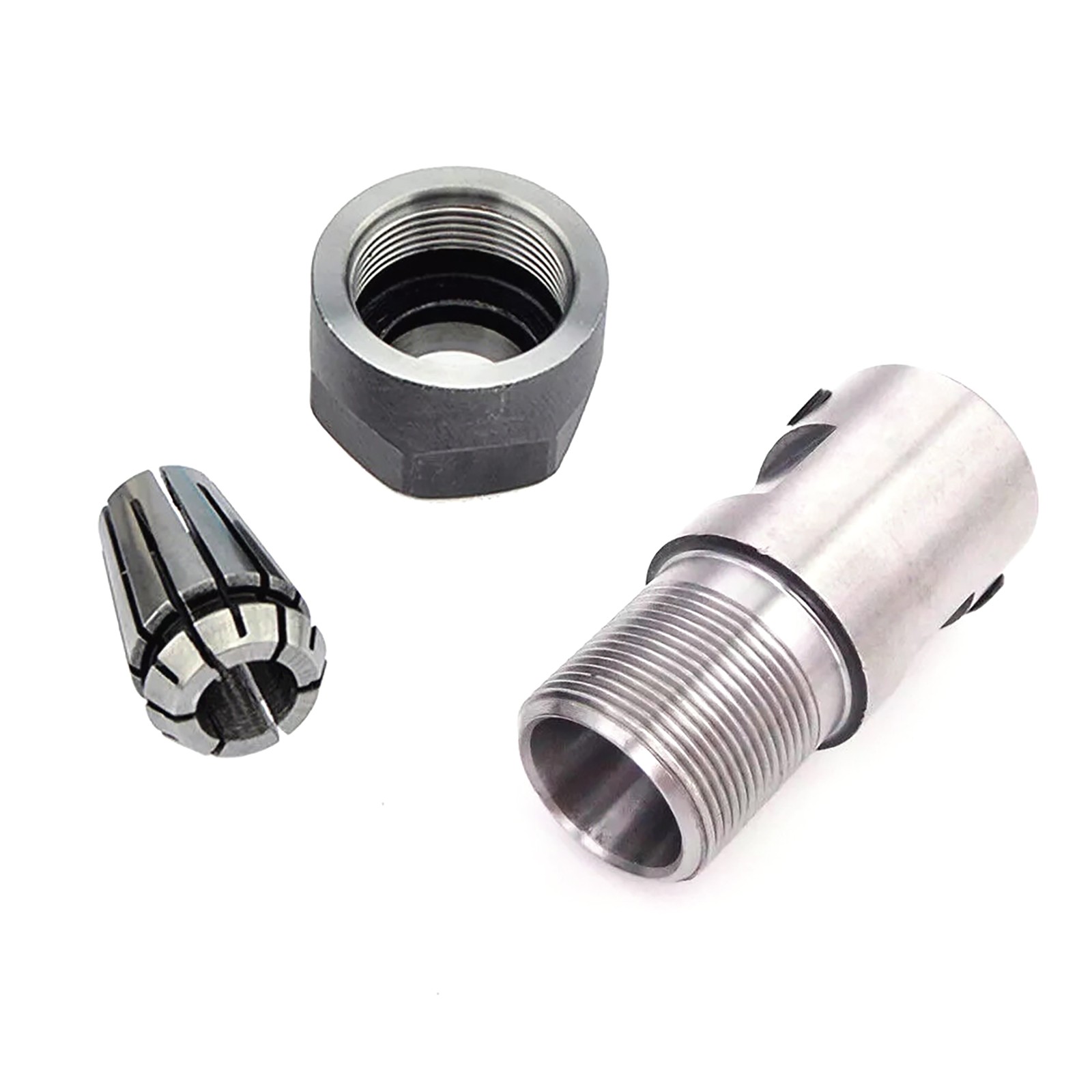
For $12.05, you get a CNC-machined 40Cr steel coupling designed to connect a 4.76mm (3/16-inch) flexible shaft. The shaft hole is intentionally 0.02mm smaller than the marked size, creating an interference fit that reduces play and keeps the connection tight under high torque. The 42mm length is compact, making it easy to fit in tight spaces. The steel body is strong and suitable for high-torque brush-less motor setups. The trade-off is installation: because the bore is smaller than the shaft, the coupling needs to be heated to 200-300°C before sliding on. That extra step makes it less convenient if you plan to swap components often. Also, it's made for a 4.76mm shaft specifically, so you need to confirm your shaft size before buying.
Final Choice By Use Case
Pick the face flange mounted shaft collar when you need a fixed, mountable attachment point and appreciate the corrosion-resistant aluminum body with multiple bolt-hole layouts. Go with the 40Cr steel flexible coupling when you need to join a flexible shaft to a motor with a secure, high-torque connection and want to spend less. Both are new components with different strengths, so the right answer comes down to whether your priority is rigid mounting or flexible torque transfer.