Choosing between two peristaltic pumps for industrial pumps flow control comes down to a simple but important question: how much process capability do you actually need? One option is a process pump, and the other is a compact dosing pump. Both are peristaltic designs, so the core pumping action is the same, but the way they're built, priced, and intended to be used is very different. Peristaltic pumps are popular because the fluid only touches the inside of the tube, which simplifies cleaning and reduces contamination risk. That makes them a strong candidate for dosing, sampling, and chemical transfer, but the range of available models is enormous.
Quick Verdict
For heavier process-style work, the Cole Parmer Masterflex L/S takes the lead. For lighter, more flexible metering tasks, the Industrial Precision Peristaltic Pump is the better fit. If you're still deciding, the table below gives you the most important comparison points at a glance.
Price & Feature Comparison
Here's a side-by-side look at the key numbers.
| Product | Price | Condition | Relative Price |
|---|---|---|---|
| Cole Parmer Masterflex L/S | USD 1,585.00 | Used | |
| Industrial Precision Peristaltic Pump | USD 250.14 | New |
The price gap between them is $1,334.86, which is a big enough difference to drive the decision for many buyers.
Where Each Product Wins
The Cole Parmer Masterflex L/S is the winner when your process demands multiple tubes running in tandem. It also has the advantage of being built in the United States. The Industrial Precision Peristaltic Pump wins on sheer flexibility for small jobs: you get a pump with adjustable controls, a clear LED readout, and materials chosen for long life in light-duty settings.
Product Notes
Cole Parmer Masterflex L/S
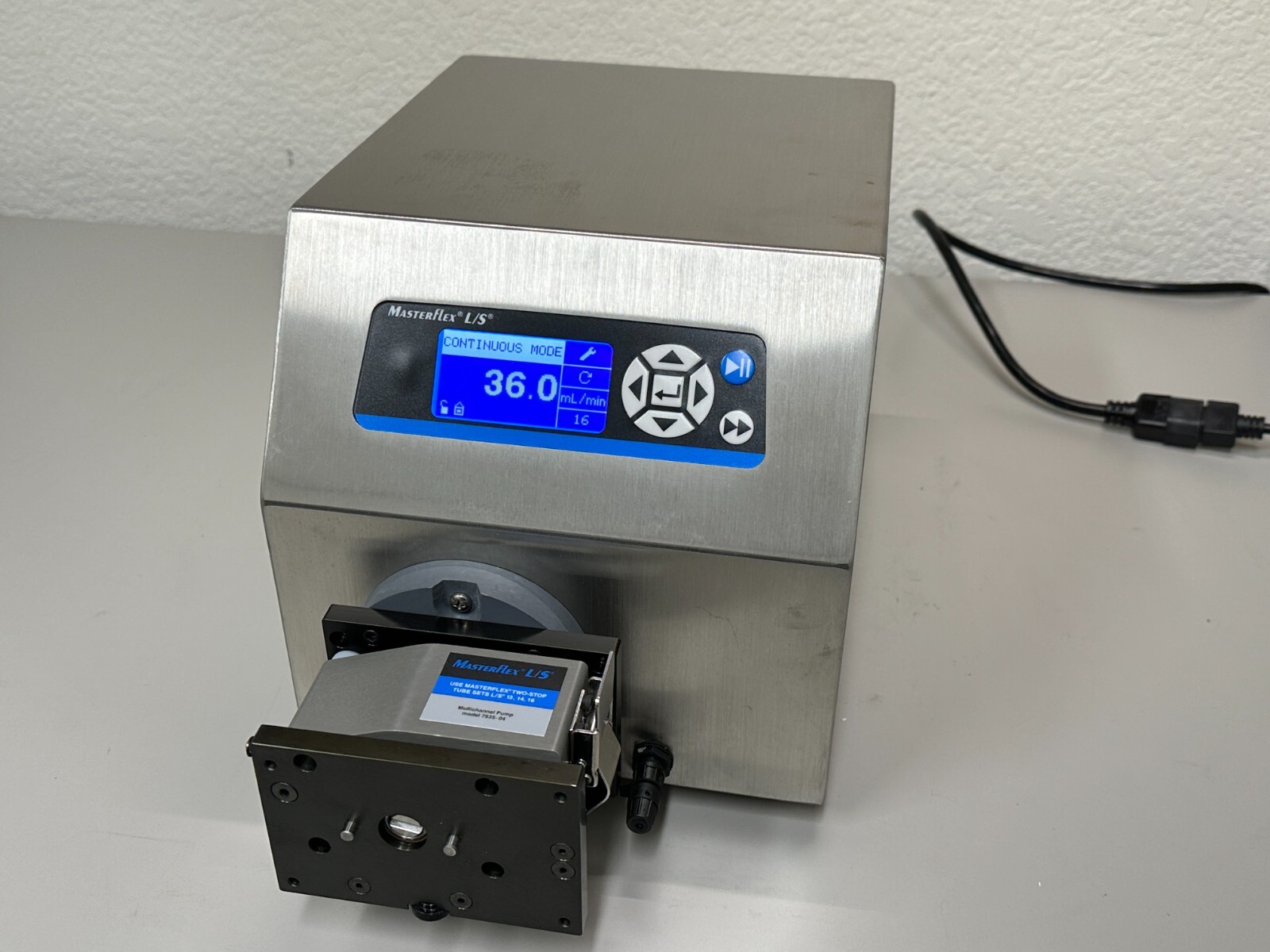
This used Cole Parmer Masterflex L/S process pump pairs the 07575-50 drive with a 7535-04 4-channel pumphead. The 4-channel design is the main reason to pick it: it can handle multiple tubes at the same time, making it well suited for processes that need simultaneous metering or dosing in separate lines. The unit comes in excellent working used condition and includes all pictured components, plus a 60-day return warranty for some extra peace of mind. Being made in the United States is another plus if you prefer domestic equipment. The obvious limitation is the used condition; even in excellent working shape, a pre-owned pump carries some uncertainty. For buyers who need that multi-channel capability, though, this is the more capable option.
Industrial Precision Peristaltic Pump
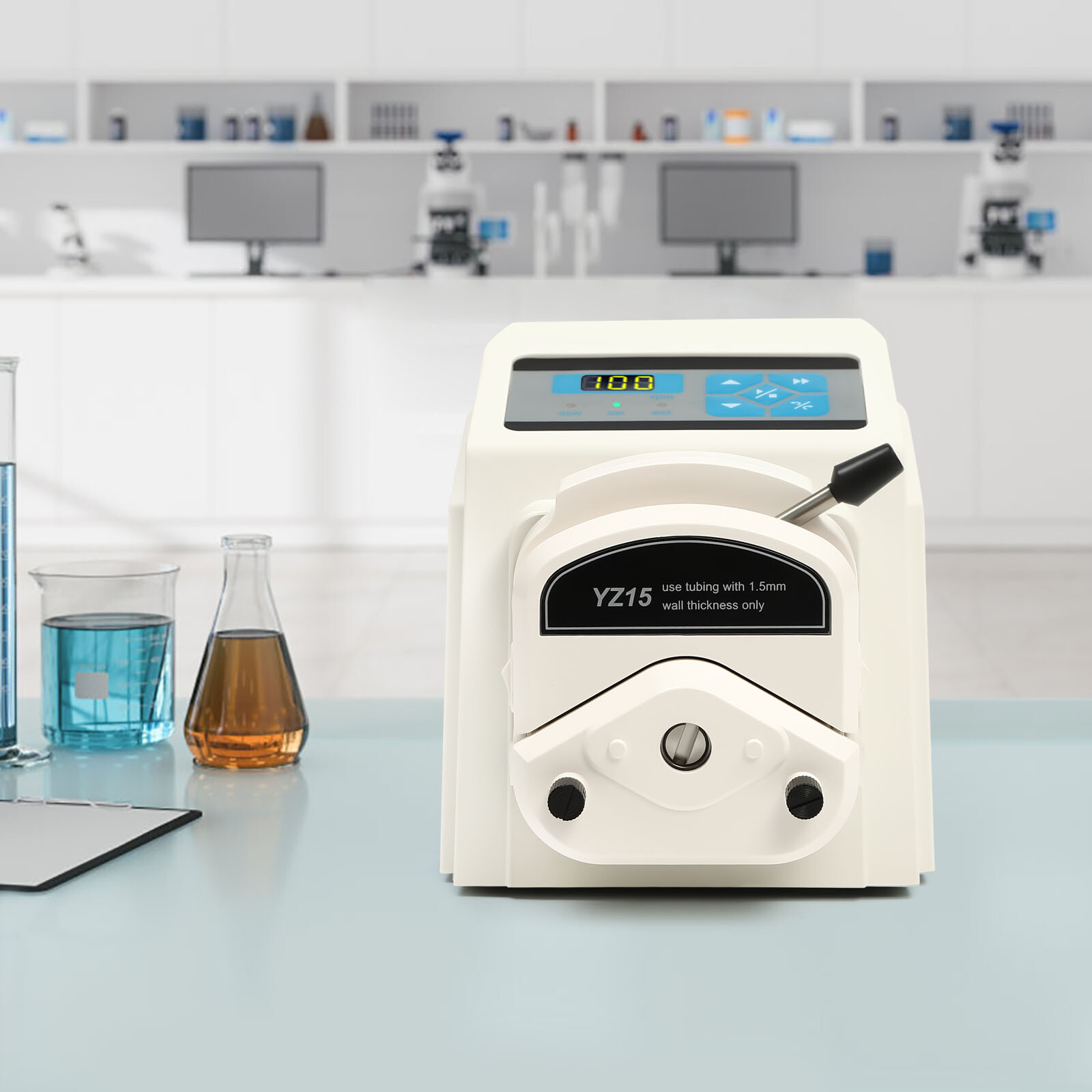
The Industrial Precision Peristaltic Pump is a new variable-speed liquid metering and dosing pump that offers a lot of control. You can adjust speed, flow rate, and direction of rotation via the control panel or by connecting external controls, and the 3-digit LED display gives you clear readouts. The build uses high-quality ABS casing, PPS pump head, and stainless steel drill, which helps it resist rust and stay durable for long-term use. It has a maximum power of 30W and a flow rate range of 0.07-380 mL/min, so it's designed for small-scale dosing, sampling, or chemical metering. The main limitation is that flow ceiling-it won't handle high-volume industrial transfer work. If your needs fall within that range, it gives you a new, precise pump for smaller-scale tasks.
Final Choice by Use Case
Think about the total cost of ownership, including the price of the pump and the level of complexity you're ready to handle. When you need the capability of a process-grade pump, the Cole Parmer Masterflex L/S is the one to save up for. When you need an easy-to-run metering pump for lighter tasks, the Industrial Precision Peristaltic Pump gets the job done at a much lower price. The Masterflex suits larger process demands, while the Industrial Precision fits small-batch dosing and sampling work.