When a hinge squeaks or a favorite ceramic piece cracks, you're facing two very different fixes. In the workshop aisle of lubricants, adhesives, sealants, and tapes, the right choice depends on whether you need parts to move smoothly or stick together. Both are made in the United States and sold as new items, but they solve opposite problems. When you're in the workshop, the difference between a spray can and a glue tube is not just packaging. One reduces friction between moving surfaces, and the other creates a bond between separate pieces. Here's a head-to-head look at a two-canister silicone lubricant spray and the E6000 industrial-strength glue.
Quick Verdict
If moving parts are the problem, the silicone spray is the fix: it lubricates, repels moisture, and keeps dust from building up. If a broken item needs to be bonded, the E6000 glue is the right tool, and it costs less than the spray pack.
Comparison
Use this table to see the basic difference at a glance.
| Product | Price | Format | Best For | Price Signal |
|---|---|---|---|---|
| 11 Oz. Industrial Strength Silicone Lubricant Spray (Pack of 2) | USD 10.03 | Two 11 oz canisters | Squeaks, sticking, moisture protection | |
| Eclectic E6000 Adhesive Glue, Industrial Strength, White, 800444, 1 fl. oz | USD 5.99 | One 1 fl. oz container | Bonding wood, glass, metal, ceramic, fabric, marble, fiberglass, concrete |
Where Each Product Wins
For a quick fix, ask whether the part is supposed to move or stay put.
- The silicone spray wins when you need to reduce friction, silence squeaks, stop sticking, and protect surfaces from moisture without leaving a stain. It is a good match for hardware, tools, rubber seals, vinyl, leather, and other materials that move against each other.
- The E6000 glue wins when you need a durable bond between materials like wood, glass, metal, ceramic, fabric, marble, fiberglass, and concrete. Its precision tip helps with small, controlled repairs such as jewelry or detailed craft work.
Product Notes
11 Oz. Industrial Strength Silicone Lubricant Spray (Pack of 2)
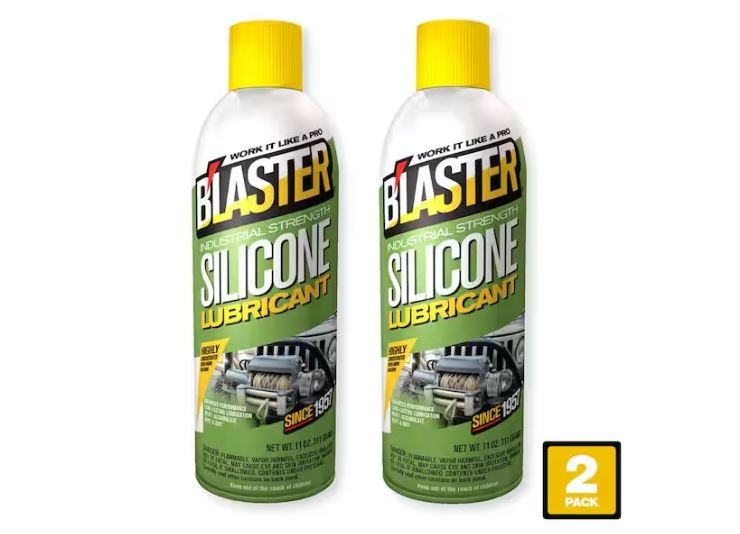
This two-pack gives you two 11 oz canisters of silicone-based lubricant, which is useful when you have multiple squeaky doors, locks, or tools. The two canisters make it a practical choice when you want one at the workbench and one in a toolbox. The formula is made for elastomers, metal, plastic, wood, rubber, vinyl, and leather, and it's water repellent and non-staining. It also won't accumulate dust and dirt, so it can keep surfaces moving smoothly for longer. The trade-off is that this is not an adhesive. If you need to hold two pieces together permanently, you'll be reaching for the glue instead. At USD 10.03, it costs more than the E6000, but you're paying for a two-canister pack and lubrication-specific protection.
Eclectic E6000 Adhesive Glue, Industrial Strength, White, 800444, 1 fl. oz
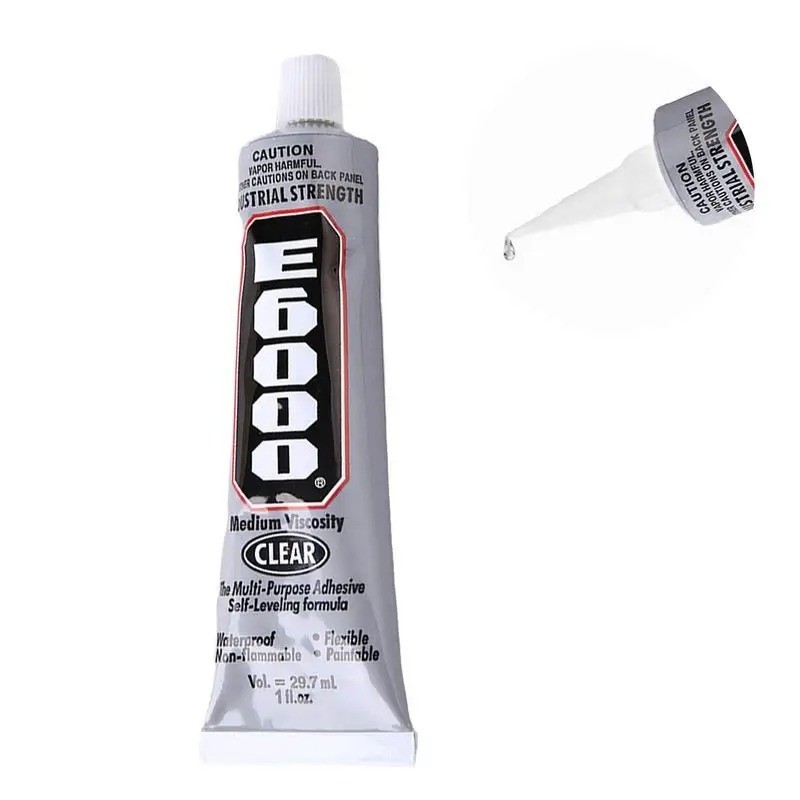
This adhesive is built for repairs that need to stay stuck. It bonds to wooden, glass, fabric, ceramic, gems, metal, marble, fiberglass, concrete, and more. It is odorless and waterproof, which matters for projects that might get wet. The white finish can also help you see where the adhesive has been applied. The precision tip makes it easy to squeeze out small amounts for jewelry or detailed fixes without a mess. The limitation is simple: it is a glue, not a lubricant. Applying it to a squeaky hinge will not make the hinge move freely, and when you need coverage across many parts, the single 1 fl. oz size at USD 5.99 is smaller than the two spray canisters.
Final Choice by Use Case
- Choose the silicone lubricant spray when your project involves moving parts, squeaky hinges, sticking drawers, rubber seals, vinyl trim, or metal tools that need moisture protection.
- Choose the E6000 glue when you're repairing a broken item and need a permanent bond across materials like wood, metal, glass, ceramic, fabric, marble, or fiberglass.
Choose based on the task, not the price.