Filtration separation choices usually come down to what you are trying to remove and from which fluid. Here, the decision is especially clear: the string wound sediment water filter protects water systems from sediment, while the industrial oil-water separator keeps cutting fluid free of floating oil. The price gap is wide, but the real difference is the job each one does. If you are weighing these two, start by naming the fluid and the contaminant.
Quick Verdict
If your system is a whole-house water filter and the problem is sediment, choose the 20-pack of string wound filters. If you run machine tools and the problem is oil floating on cutting fluid, choose the industrial oil-water separator. Don't decide on price alone; the cheaper option can't skim oil, and the expensive option won't filter a drinking-water supply.
At a Glance
| Product | Price | Best Use |
|---|---|---|
| String Wound Sediment Water Filter | USD 152.45 | Water sediment removal |
| Industrial Oil-Water Separator Oil Skimmer | USD 1,886.00 | Floating oil removal from cutting fluid |
Where Each Product Wins
Both products are legitimate filtration separation tools; they simply operate on different fluids.
- String Wound Sediment Water Filter: Wins on lower price, multi-filter convenience, and compatibility with many Big Blue 10" x 4.5" housings. It also brings NSF-certified material and a 30,000-gallon capacity rating.
- Oil-Water Separator Oil Skimmer: Wins on industrial cutting-fluid maintenance, fast oil recovery, and the ability to separate floating oil so the coolant and tooling last longer.
Product Notes
String Wound Sediment Water Filter
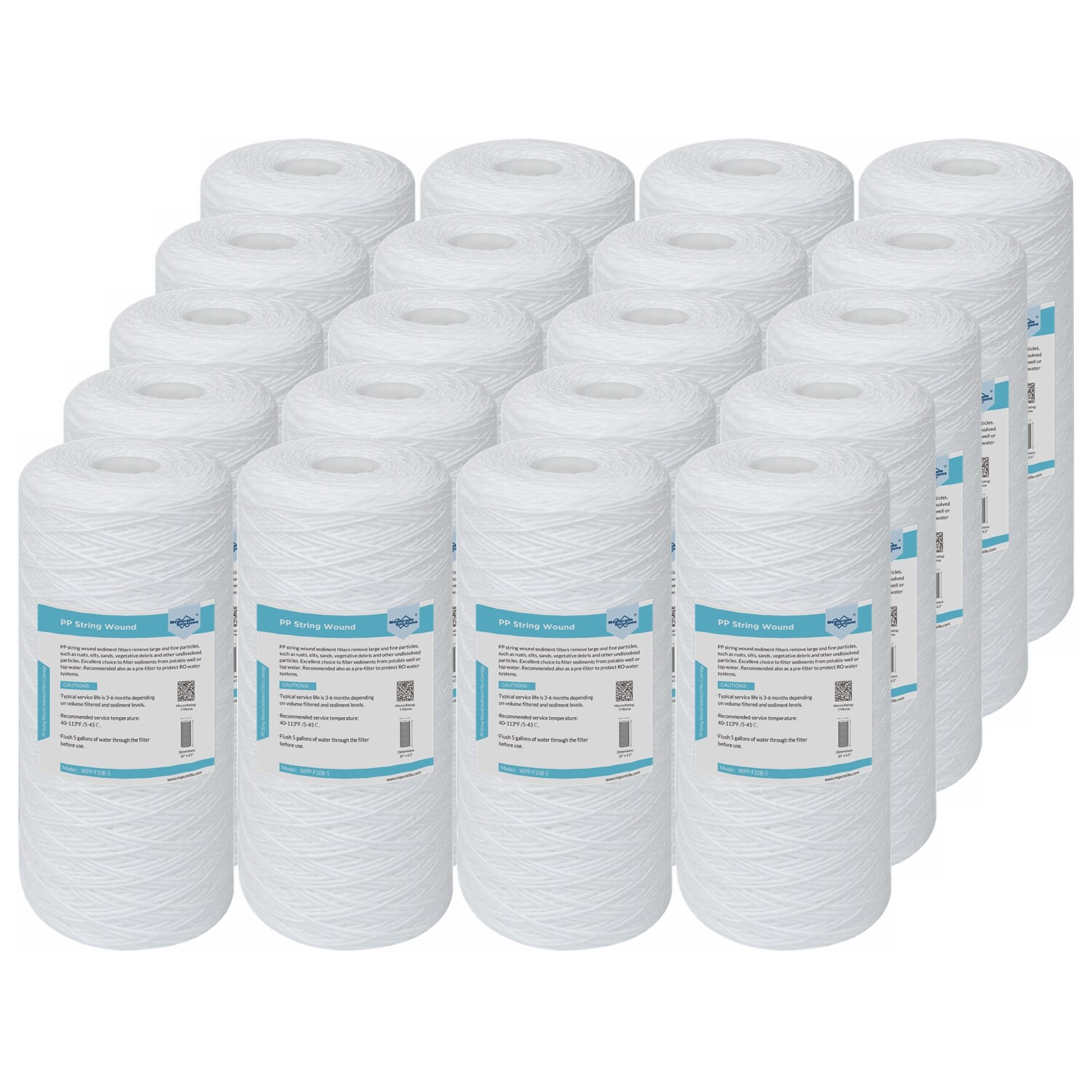
At USD 152.45, this filter set gives a water system multiple replacement elements for one purchase. The food-grade polypropylene is lead- and BPA-free, and the filter carries NSF material certification. With 1/5/10 micron options, you can choose how fine the sediment filtration should be, and the 30,000-gallon capacity rating supports long service between changes. It removes up to 99% of sediment, including rust, silt, sand, and other undissolved particulates, before water reaches downstream equipment. The tradeoff: this is a sediment filter, not an oil skimmer. Its specified contaminant removal is sediment, so it is not a substitute for an oil-water separator, and you need a compatible Big Blue style housing to put it to work.
Industrial Oil-Water Separator Oil Skimmer
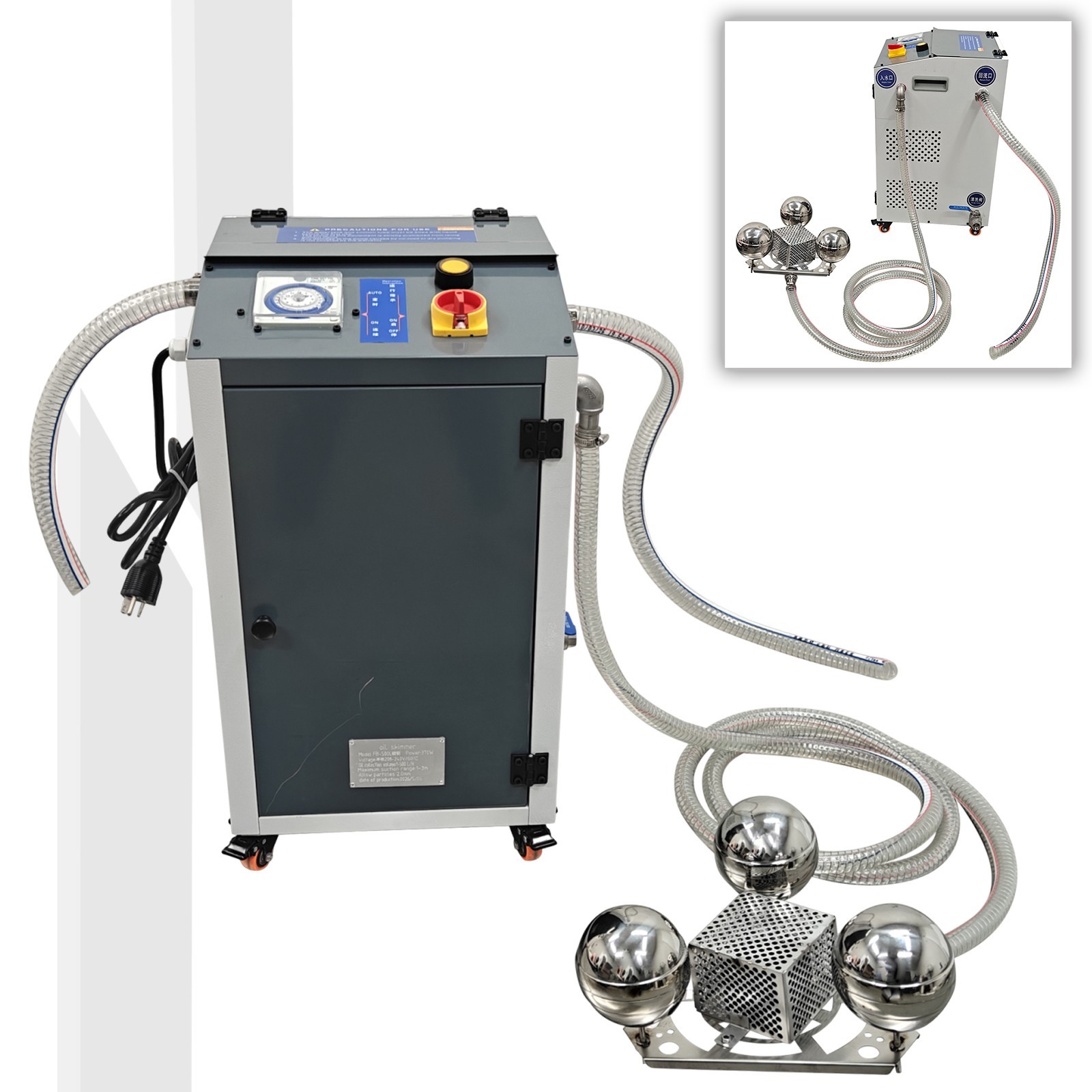
This Maisutseb oil-water separator is built for machining fluid. It removes floating oil from cutting fluid, which extends cutting fluid life and protects both the cutting tools and the working environment. The longer fluid stays usable, the better machining accuracy holds and the safer the workspace is. Oil can be recovered and reused through oil drainage, and the cleaning valve makes maintenance straightforward. Its advantages are fast oil recovery, good separation effect, and wide application range, which make it the practical choice for machine tool sumps. The main limitation is the large step up in investment and the power requirement: it runs on 208-240V 3-phase, so it belongs in an industrial setting rather than a residential whole-house filter setup.
Final Choice by Use Case
Choose the string wound sediment water filter when you are treating incoming water for sediment and want a stock of replacements for a compatible filter housing. Choose the industrial oil-water separator when you are maintaining cutting fluid and need to separate and recover floating oil in an industrial machining operation.