Keeping liquids clean is the difference between smooth machining and endless tool wear, especially once stray oil gets into your cutting fluid. For shop managers, this creates a filtration separation question: do you automate the process with a dedicated oil-water separator, or do you use inexpensive filter socks to polish your fluids? These two products sit at opposite ends of that decision.
Quick Verdict
Pick the TECHTONGDA separator if you have a coolant sump that constantly pulls in machine oil and you want to recover and reuse oil while extending fluid life. Pick the filter sock if you want a nimble, low-cost way to remove fine solids from a range of liquids.
Comparison
| Product | Listed Price | Price Bar | Core Role | Notable Details |
|---|---|---|---|---|
| TECHTONGDA 208-240V Oil Skimmer | $1,886.00 | Skims oil from cutting fluid | 3-phase; oil drainage | |
| Industrial Filter Bag (1 Micron) | $19.99 | Extra-fine liquid filtration | 18" length; PE; welded/sewn ring |
Where Each Product Wins
- TECHTONGDA wins on automation and fluid life. It separates floating oil from cutting fluid, so the coolant lasts longer, cutting tools stay sharper, and the work environment is cleaner. The cleaning valve removes sludge from the tank, and separated oil can be collected for reuse.
- Filter bag wins on convenience and coverage. At $19.99, the 18-inch sock bag costs much less than the separator. The bag material is described for a wide range of liquids, so it is not limited to one coolant type. It is easy to store several bags and swap them as needed.
Product Notes
TECHTONGDA 208-240V Industrial Cutting Fluid Oil-Water Separator Oil Skimmer 3-Phase
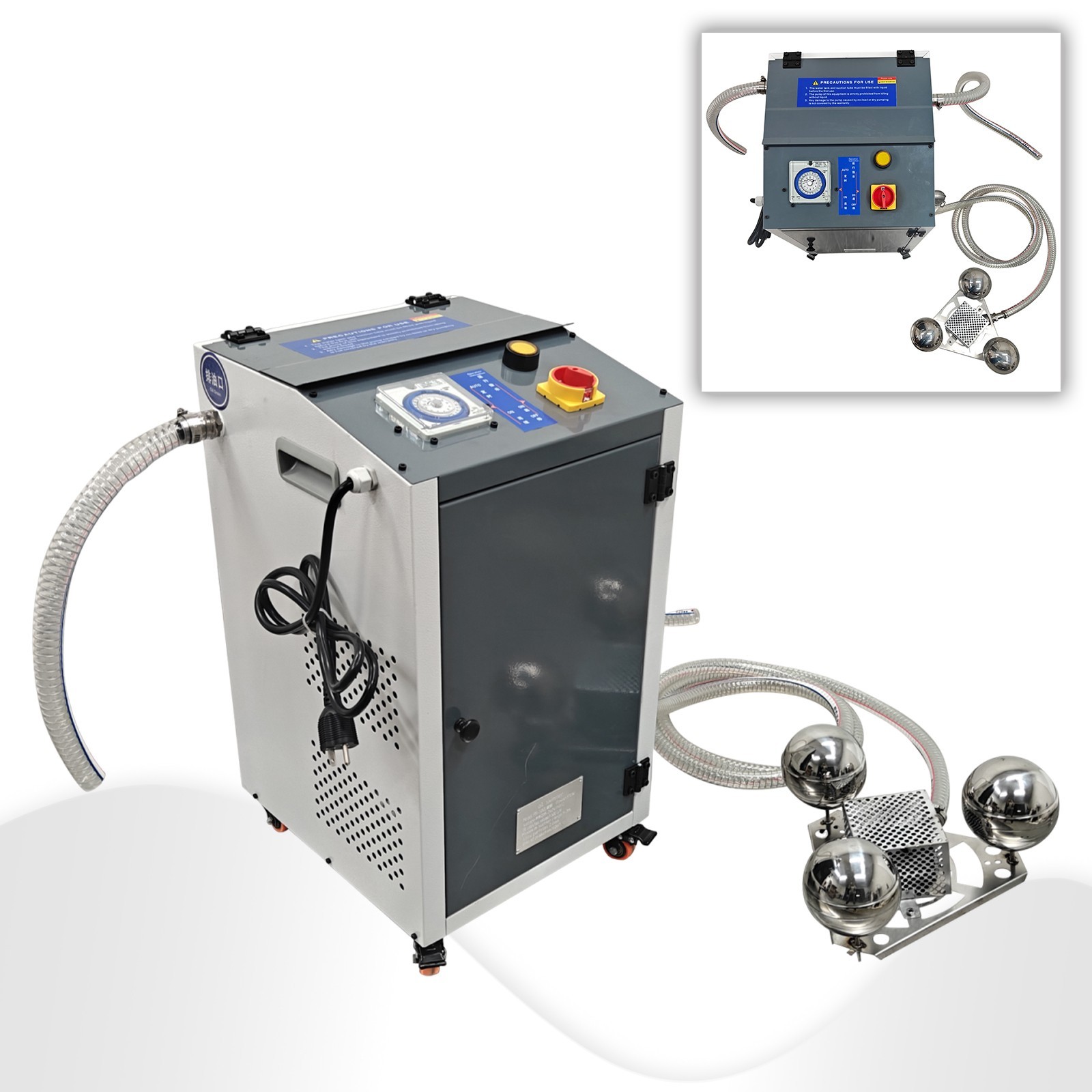
This separator is designed around a specific job: keeping cutting fluid usable by removing tramp oil before it degrades the coolant. It uses oil drainage to recover and reuse the separated oil, and the cleaning valve pulls sludge out of the tank. The 208-240V, 3-phase specification points to a large industrial unit. Its strength is that it works continuously on a coolant sump, reducing the need for fluid changes and helping protect tooling. The limitation is that it is specialized: it addresses floating oil, not general particulate filtration across many liquids. That makes it a bigger commitment than a replaceable filter sock.
Industrial filter bag, 1 Micron Filter Sock Bags, Water Liquid Oil Dust Fuel-1um
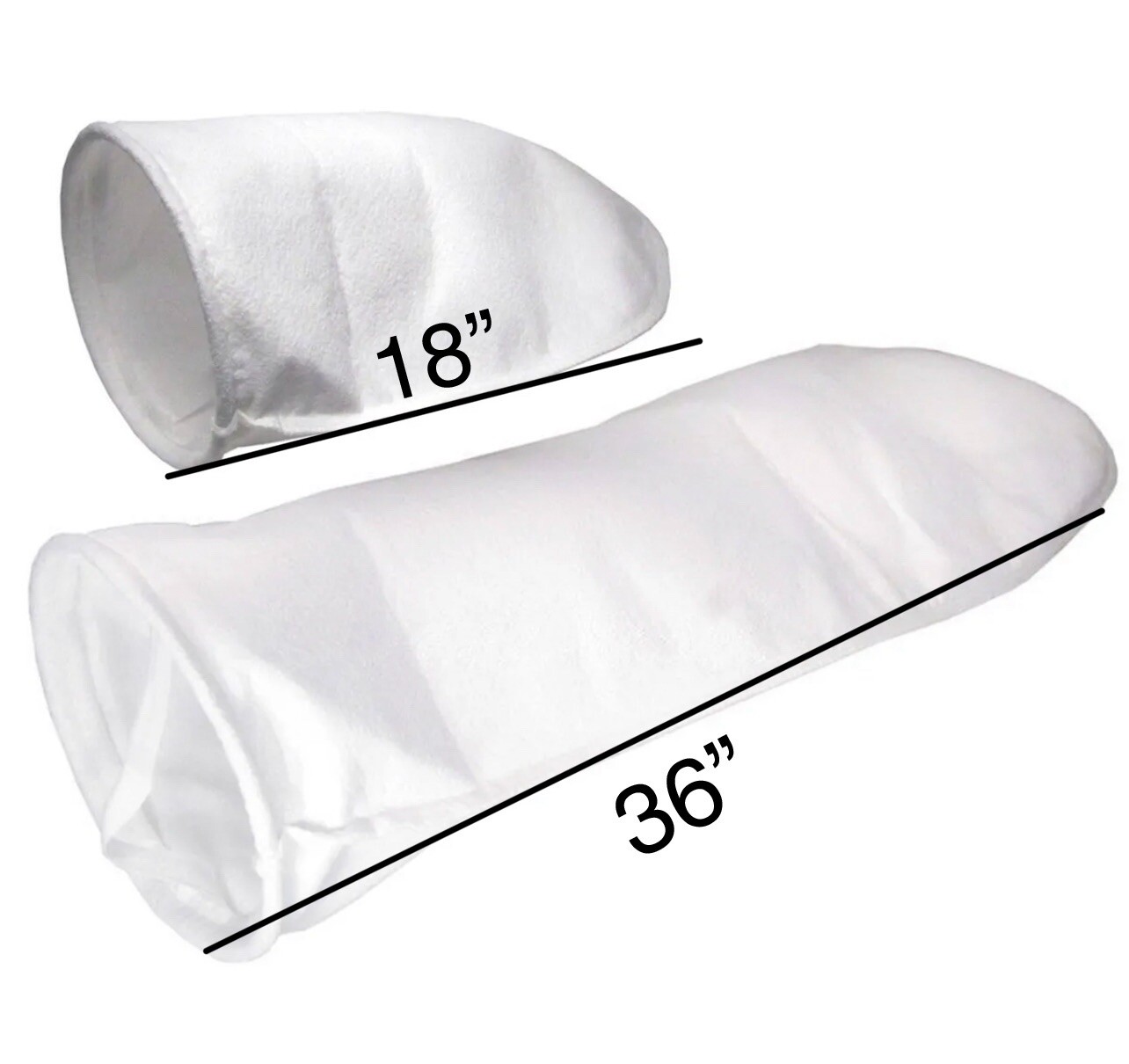
This filter sock is the kind of consumable that makes sense when you want fine filtration without a big machine. It is welded and sewn with a round bottom to offer more surface area, and the non-corrosive metal ring at the top helps hold it open. The PE construction is described for a range of liquids, including water, ethanol, methanol, oil, dust, and fuel, so it becomes a general-purpose polishing filter for small batches. The 18-inch length works for many liquid filter applications, and the 300°F working temperature range gives it more flexibility than a paper filter. The limitation is that it is a single bag: it collects solids until it loads up and then has to be replaced. It is a consumable filter element, not a powered machine, so the cost repeats with each batch.
Final Choice by Use Case
- Large coolant system with a lot of wayward oil: The TECHTONGDA separator is the clear choice. It automates oil removal, keeps cutting fluid in service longer, and recovers oil for reuse.
- Small batches or multiple liquid types: The filter sock is the better fit. It is affordable, easy to store, and filters fine particles from water, ethanol, methanol, oil, dust, and fuel.
- Trying to decide: If you are not sure whether you need a separator, start with a few filter bags. They will not tell you exactly how your tramp oil behaves, but they will show you how much fine solid matter your fluid picks up.