Choosing an industrial blower is rarely just about picking the most powerful motor. In the compressors, blowers, and air treatment category, you need to decide between a direct air mover and a centrifugal extractor. The 370W all-copper motor blower and the 300W centrifugal blower look similar at a glance, but they serve very different jobs. The right pick depends on how much airflow you actually need and whether you're moving air through ducts or just across an open space.
Quick Verdict
If you want a straightforward workhorse for general ventilation, smoke extraction, and dust removal without spending a lot, the 370W air blower at $141.14 is the practical choice. It's made from aviation aluminum, uses an all-copper motor, and includes sound insulation sponges.
If you need to pull fumes from lab cabinets, chemical hoods, or ducted exhaust systems, the 300W centrifugal blower at $184.33 is the better investment. It moves far more air and generates 260 Pa of static pressure, and comes in corrosion-resistant polypropylene. The extra $43.19 buys a purpose-built extractor that handles chemical environments far better.
At a Glance
| Feature | 370W Air Blower | 300W Centrifugal Blower |
|---|---|---|
| Price | $141.14 | $184.33 |
| Price bar | ||
| Motor | 370W all-copper, 2800 r/min | 300W with high/mid/low speed wires |
| Airflow | 80 m³/h | 2300 m³/h |
| Material | Aviation aluminum | Polypropylene (PP) |
| Best for | General ventilation and dust extraction | Lab fume hoods and chemical cabinet exhaust |
Where Each Product Wins
The 370W air blower wins on price and simple durability. Its aluminum casting resists rust, and the all-copper motor is built for long service in dusty or damp workshops. The built-in sound insulation is a welcome comfort feature.
The 300W centrifugal wins on airflow volume and chemical resistance. With a 250mm exhaust port, it's designed to move large volumes of air through ducting. The PP body resists corrosion, making it suitable for lab and chemical environments. It also carries an A+ energy efficiency rating.
Product Notes
Air Blower, Industrial Air Blower, All-copper Motor 370W Air Blower 2800r/min
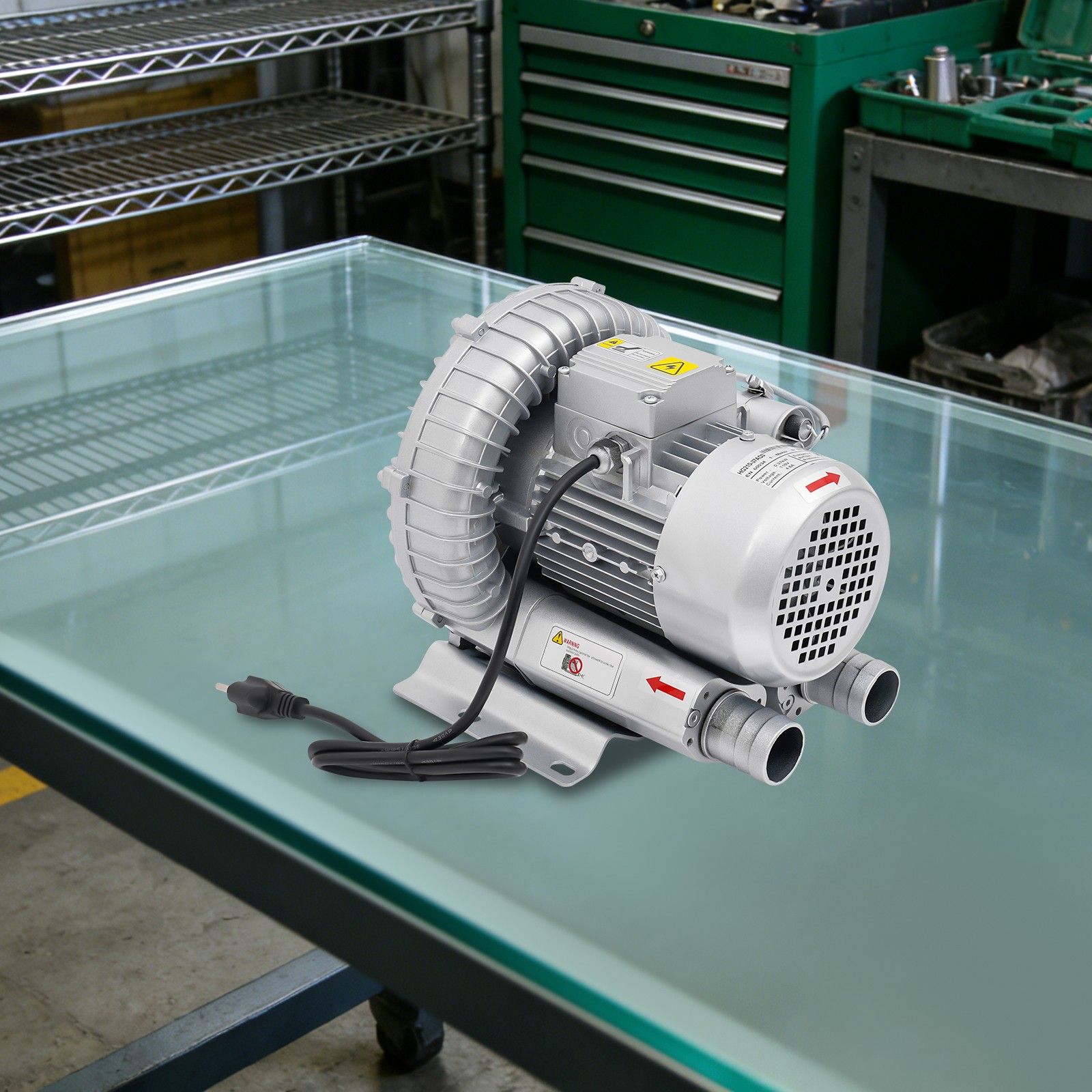
This is the lower-priced workhorse. The aviation aluminum body and all-copper motor give it a sturdy feel for general shop duty. It can handle ventilation, air exchange, smoke extraction, exhaust, aquaculture oxygenation, and dust extraction-making it a versatile single-tool purchase. The built-in sound insulation sponges help keep noise down in confined spaces, and the US-standard plug means you can use it right out of the box. The limiting factor is airflow, which is listed at 80 m³/h. That's fine for spot ventilation and dust blowing, but not enough for ducted fume extraction. If you only need to move air in an open area and want to save money, this blower is a solid option.
300W Centrifugal Blower Fume Industrial Extractor Fan Dust Smoke Vapour Exhaust
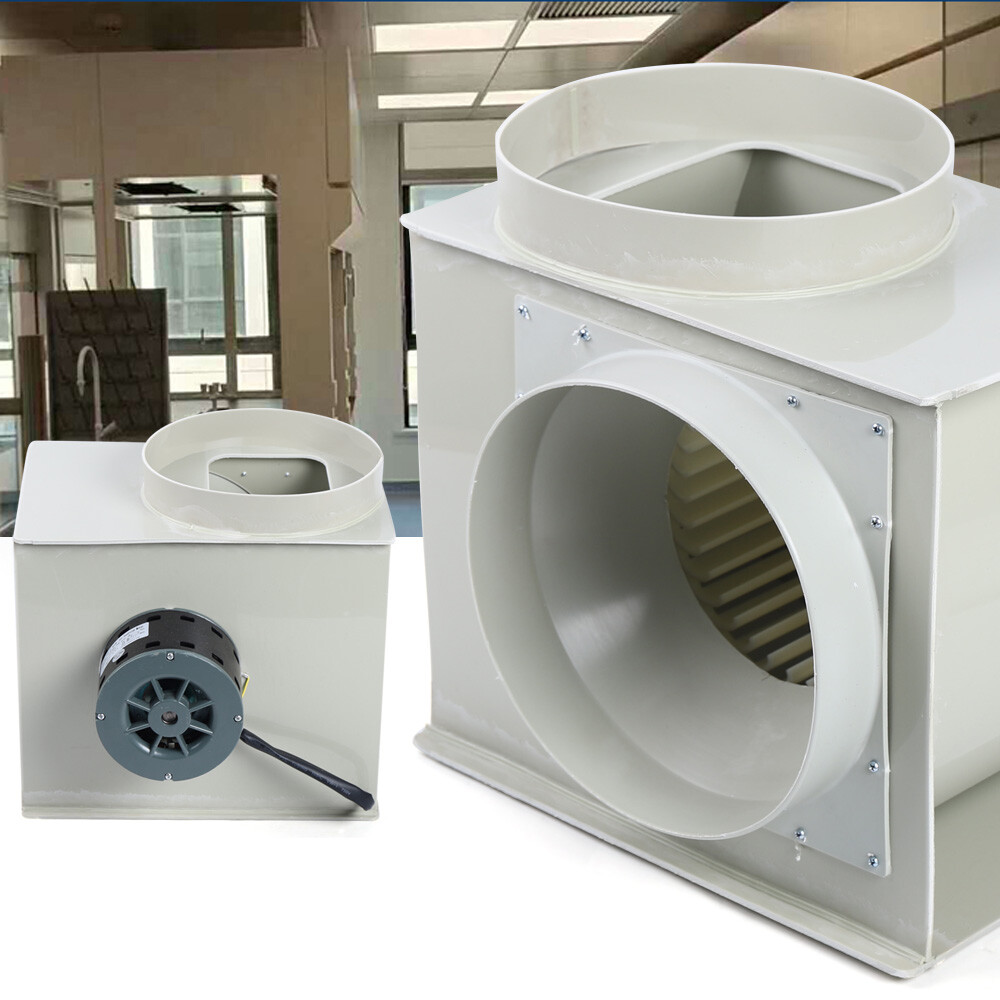
This centrifugal extractor is the higher-priced specialist. It delivers a substantial 2300 m³/h airflow and 260 Pa hydrostatic pressure, which means it can push air through duct runs and overcome the resistance of filters or hoods. The 250mm exhaust port matches common lab fume hood ducting. The polypropylene construction is non-toxic and corrosion-resistant, so it won't rust when exposed to chemical vapors. It also has an A+ energy efficiency label, which is a nice bonus for continuous operation. The setup is a bit more involved: the speed wires are color-coded (red for high, blue for mid, black for low), and you'll need to connect them properly for your desired airflow. It's not a simple plug-and-play general blower, but for fume extraction, it's the clear pick.
Final Choice by Use Case
If your shop needs a durable, inexpensive blower for open-air ventilation, dust control, or aeration, the 370W all-copper motor air blower is the one to buy. It costs less and covers most everyday air-moving tasks.
If you're outfitting a lab, chemical storage area, or any ducted extraction system, the 300W centrifugal blower is worth the higher price. Its airflow, static pressure, and corrosion-resistant build are exactly what fume hoods and chemical cabinets require.