Choosing between a filter bag setup and a powered centrifuge for filtration separation comes down to what you're separating and how much of it you process. The Duda Energy sewn industrial filter sock bags and the TECHTONGDA industrial centrifuge dehydrator sit at opposite ends of the price and performance spectrum. One is a replaceable consumable that polishes liquids; the other is a machine that spins solids dry.
Quick Verdict
If your priority is low-cost fine filtration of liquids like biodiesel, waste vegetable oil, fuel, or water, the Duda Energy filter sock bags are the clear starting point. You get 50 bags for $316 and a 0.5-micron rating that catches very fine particles. If you're dealing with biomass, oil extraction, or metal chips that need fast dewatering and solids recovery, the TECHTONGDA centrifuge at $4,646 is a semi-automatic workhorse that earns its price through throughput.
Head-to-Head Comparison
| Product | Price | Price Bar | Approach | Key Spec |
|---|---|---|---|---|
| Sewn Industrial Filter Sock Bags (Duda Energy) | $316.00 | 50 replaceable filter socks, Size #4 (4" x 14") | 0.5-micron rating, Qty/Lot of 50 | |
| Industrial Centrifuge Dehydrator (TECHTONGDA) | $4,646.00 | Stainless steel drum, 660 r/min spin, semi-automatic | 50kg max capacity, 220V 3PH |
Where Each Product Wins
The filter sock bags win on entry cost, fine particle removal, and simplicity. You can set up a liquid-polishing stage for a much smaller investment than a powered machine. The sewn construction and disposable design make them a low-maintenance way to add a final filtration step to a small-batch operation.
The centrifuge wins when you have larger volumes of solids-heavy material. The TECHTONGDA spins at 660 r/min in a stainless steel drum and can handle up to 110 pounds (50kg) per load. Its semi-automatic foot-switch unloading saves hands-on time, and the fast drum rotation pulls liquid off parts and chips quickly.
Product Notes
Sewn Industrial Filter Sock Bags (Duda Energy)
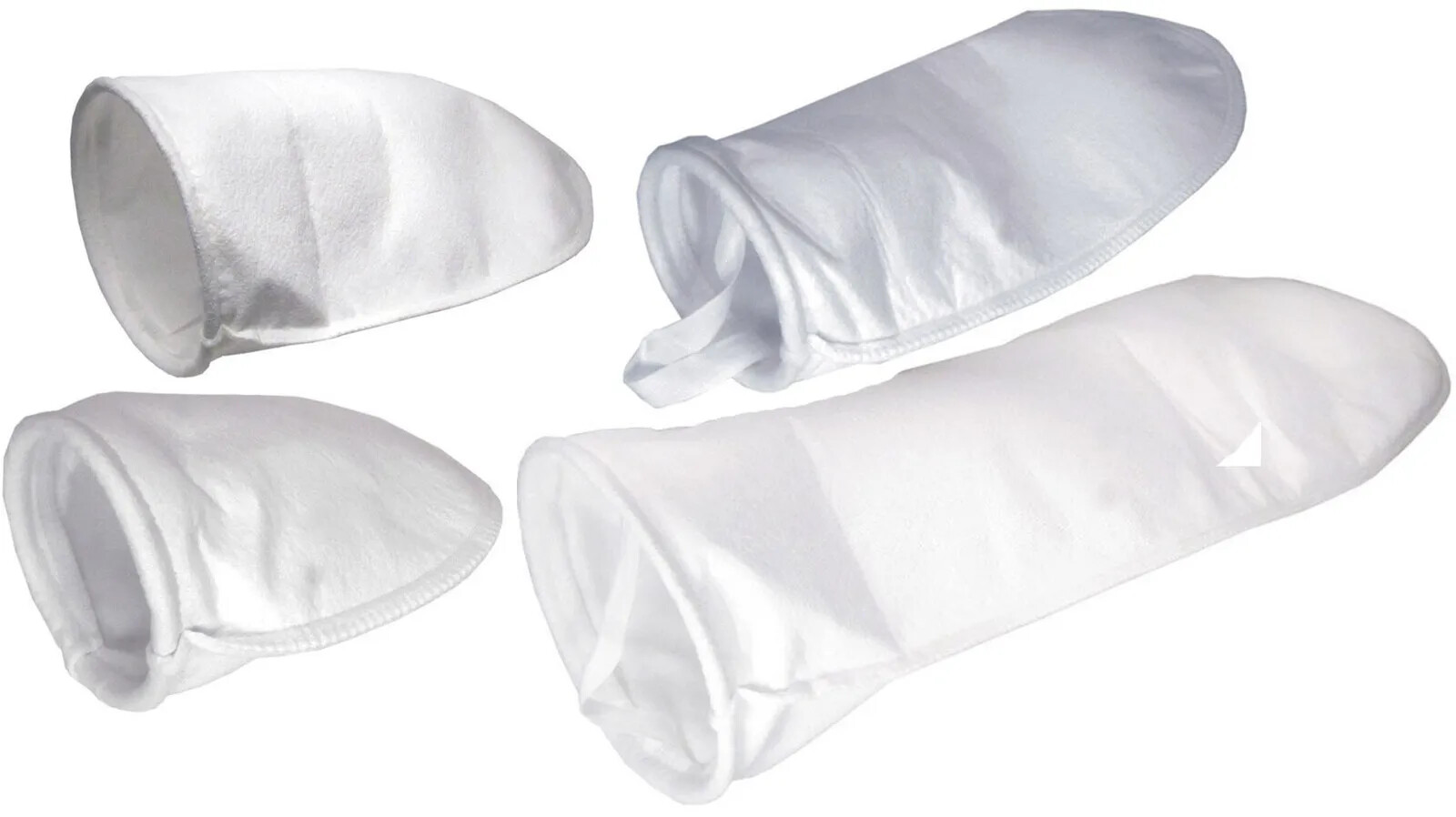
These sewn filter sock bags are the budget-conscious way to add fine filtration to a liquid line. Each bag is listed as Size #4, measuring 4 inches by 14 inches, so they fit a specific filter sock dimension. The sewn construction makes them easy to install in a compatible housing, but you will need to supply that housing or adapter yourself. Their strength is in volume: you get a large lot of bags in one purchase, which keeps per-bag replacement costs low. For shops filtering biodiesel, waste vegetable oil, water, or diesel fuel, this is a straightforward, low-cost consumable. The main limitation is that they only filter liquids; they won't help with solids dewatering or oil extraction from thick biomass. Also, because they are disposable media, ongoing replacement is part of the operating cost.
Industrial Centrifuge Dehydrator (TECHTONGDA)
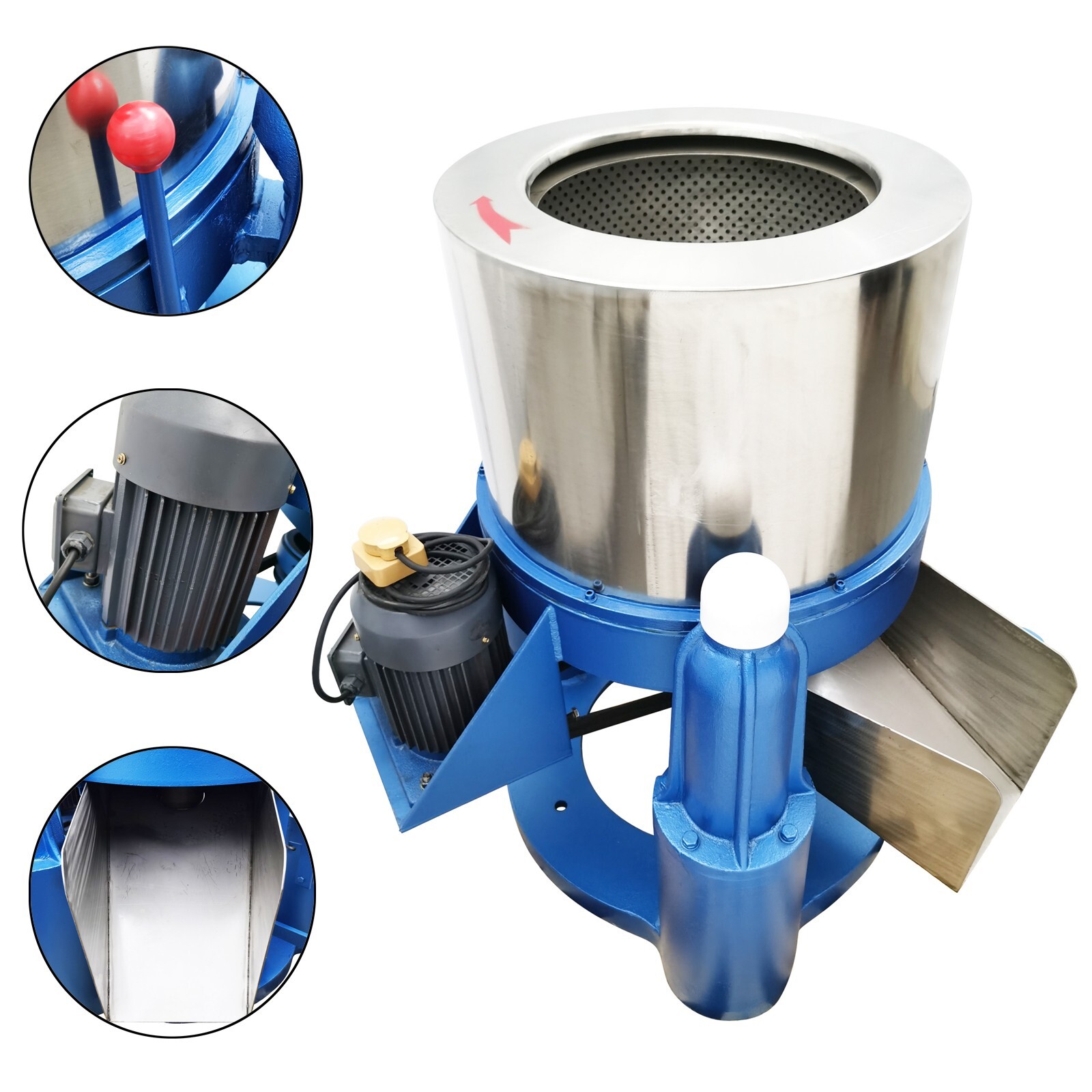
The TECHTONGDA industrial centrifuge is a semi-automatic machine built for high-throughput solids-liquid separation. It has a stainless steel barrel that resists corrosion and rust, and it uses fast drum rotation to throw liquid off metal chips, filings, and biomass. The foot-switch unloading makes batch processing faster and less labor-intensive. This unit runs on 220V three-phase power, so electrical compatibility is a prerequisite. It is also explicitly not intended for drying clothes. With a 50kg max capacity per load, it suits shops that process heavy volumes of oily solids but need to reclaim oil or prepare material for the next step. The trade-off is the substantial investment and the need for proper power. If your operation is small-batch and liquid-focused, this machine is likely overkill.
Final Choice by Use Case
Choose the Duda Energy sewn filter sock bags when your goal is fine filtration of liquids on a budget. They're ideal for smaller operations that need fine particle removal across biodiesel, WVO, water, fuel, or dust-laden liquids, and the 50-bag lot gives you plenty of replacements.
Choose the TECHTONGDA industrial centrifuge when you're processing solids-heavy material and want quick, semi-automatic liquid separation. It costs far more, but it handles large loads at high spin speed and frees you from constant bag changes. For industrial filtration separation, the right choice depends on whether you want to polish the liquid or spin the solids dry.