When you need filtration separation, the first question is whether you're cleaning air or liquid. The High Flow 5 Micron Industrial Air Filter with Auto Drain & Metal Bowl is built for compressed air lines, while the Sewn Industrial Filter Sock Bags are made to strain liquids like biodiesel, waste vegetable oil, and diesel. The two products approach the same broad task from opposite directions, and choosing between them depends entirely on your working medium. If you put an air filter in a liquid line or a liquid bag in an air line, you'll get poor results and potentially damage downstream equipment. So let's break down where each one fits, starting with a quick verdict.
Quick Verdict
Choose the air filter if you're protecting tools and compressor accessories from moisture and debris in a compressed air line. Choose the sewn filter sock bags if you need to filter liquids in larger batches, especially when you want a finer filtration level than the air filter can provide. The air filter is for ongoing air line protection; the sock bags are for liquid processing.
At a Glance
| Product | Listed Price | Price Bar | What It Filters |
|---|---|---|---|
| High Flow 5 Micron Industrial Air Filter | USD 73.99 | 5-micron particles and moisture from compressed air lines | |
| Sewn Industrial Filter Sock Bags (Lot of 50) | USD 316.00 | 0.5-micron particles from liquids like biodiesel, WVO, oil, and fuel |
Where Each Product Wins
The air filter is the inline solution for compressed air systems. Its auto drain and metal bowl take the manual work out of removing water and gunk from your air line, which can extend the life of your tools and compressor accessories. It's a single unit, rated for commercial and industrial systems, and it goes into an air line rather than a liquid system. If you don't want to keep checking a sight glass or manually draining a bowl, the auto drain is a big convenience. The filter element is a 5-micron media, so it handles the kind of particulates commonly found in compressed air.
The filter sock bags are the more specialized picking for liquids. They're consumable media, used in a filter bag housing and replaced as they fill with contaminants. That makes them practical for processing several drums or batches of liquids. Because they're sewn bags, they're designed to handle liquid flow without coming apart, and the sewn construction is built for repeated handling.
Product Notes
High Flow 5 Micron Industrial Air Filter with Auto Drain & Metal Bowl
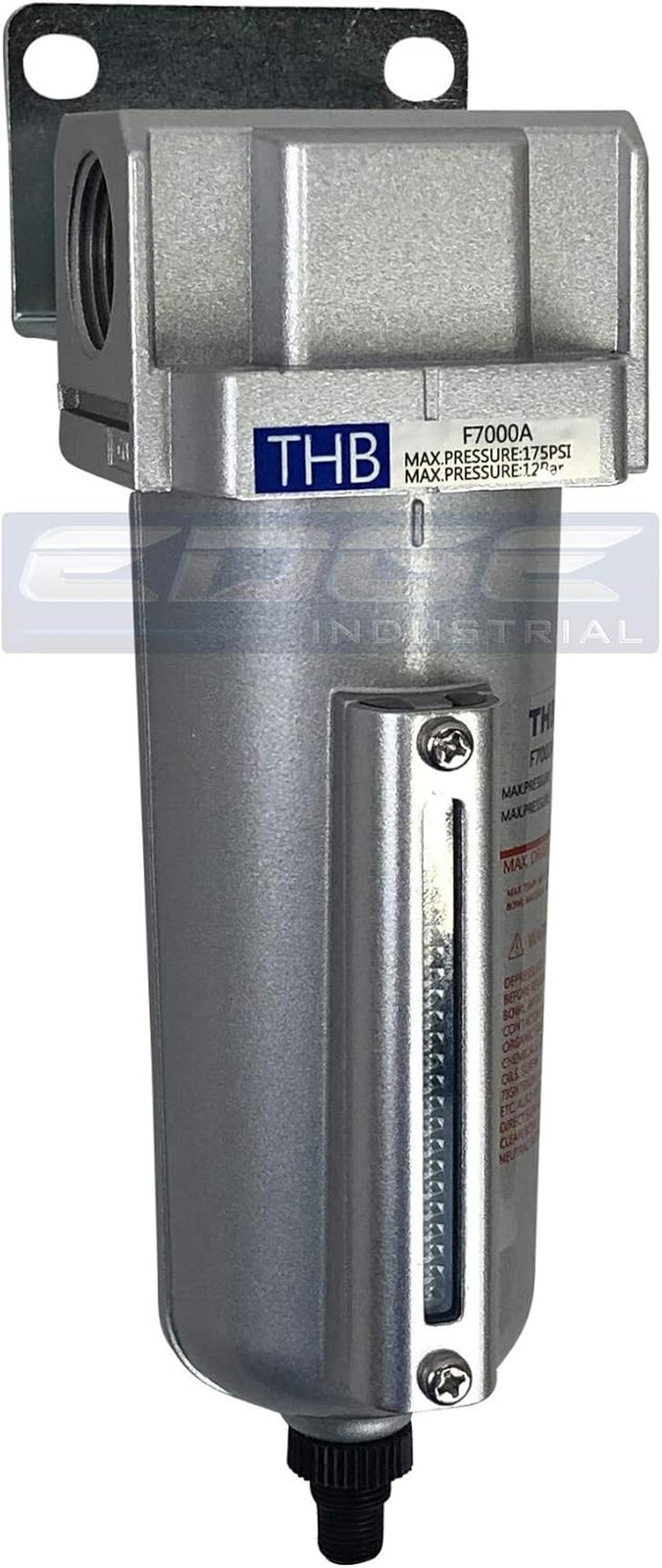
This air filter is a good fit for compressed air line systems that see a lot of moisture. The auto drain and metal bowl mean you don't have to stop production to empty a collection cup, and the filter is rated for commercial and industrial settings. It catches the kind of particulates and condensation that shorten tool life. The limitation is that it's strictly for air lines; if you need to filter liquid fuel, oil, or water, you'll want a liquid filtration product like the sewn sock bags instead. It comes as a single unit with the filter included, so there's no extra media to buy right away.
Sewn Industrial Filter Sock Bags Water Liquid Biodiesel WVO Oil Dust Fuel Diesel
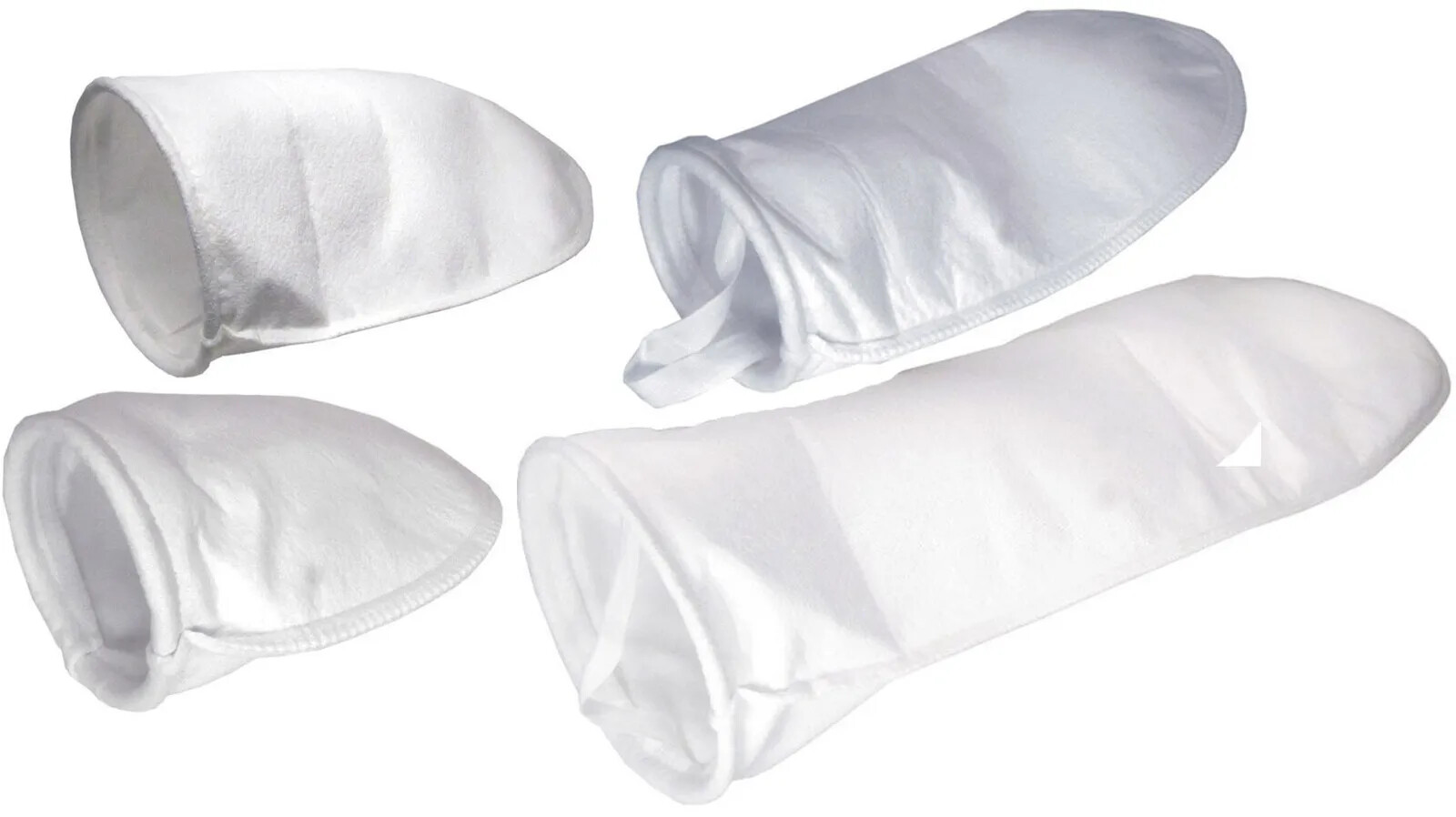
This lot of 50 sewn filter bags is designed for liquid filtration at a fine 0.5-micron level. That makes it a solid choice for filtering biodiesel, WVO, oil, dust, fuel, or diesel in volume. The bags are consumable, so you can cycle through them as they load up, which is convenient for multi-batch or multi-day operations. The main drawback is the upfront cost of $316.00 for the lot, and you need a filter bag housing that fits bags sized 4 inches by 14 inches. If you're only doing occasional small liquid filtering, that's a lot of media to work through.
Final Choice by Use Case
If your immediate need is protecting a compressor and its downstream tools, go with the High Flow 5 Micron Industrial Air Filter. If you're processing liquid fuels or oils and want a finer filtration level with a replenishable supply of media, the Sewn Industrial Filter Sock Bags are the better match. Each product is clearly aimed at its own side of the filtration separation equation, so your choice should hinge on the medium you're actually filtering.