Quick Verdict
Choosing between a heavy-duty oil-water separator and a filter sock comes down to one question: are you keeping cutting fluid alive in a machine shop, or do you need a quick fine-filtration step for smaller liquid batches? The Maisutseb® 208-240V 3-Phase Industrial Oil-Water Separator is built for the first job, with floating-oil separation that can help cutting fluid last longer. The Industrial filter bag, 1 Micron Filter Sock Bags, Water Liquid Oil Dust Fuel-1um is a much lower listed price, single-unit option for filtering water, oil, fuel, and solvents. There isn't a single winner for everyone; the choice depends on whether your priority is continuous separator maintenance or an inexpensive, straightforward filter sock.
At a Glance
| Product | Listed Price | Price Bar | Best For |
|---|---|---|---|
| 208-240V Industrial Oil-Water Separator | USD 1,886.00 | Cutting-fluid maintenance and oil recovery | |
| 1-Micron Filter Sock Bag | USD 19.99 | Small-batch liquid, fuel, and solvent filtration |
Where Each Product Wins
For Continuous Cutting-Fluid Maintenance: The Separator
The 208-240V 3-Phase Industrial Oil-Water Separator is aimed at shops that need to separate floating oil from coolant. Its description stresses fast oil recovery, good separation effect, and oil drainage that allows recovered oil to be reused. That means less waste and cleaner working conditions, but it is a system-level piece of equipment: it requires three-phase power and carries the larger listed price. If your shop already has that infrastructure, this is the option that addresses coolant lifespan directly.
For Quick, Small-Batch Filtration: The Filter Bag
The Industrial filter bag is more about flexibility than automation. It's made from PE and listed as suitable for water, ethanol, methanol, and similar solvents, with a 1-micron rating for extra-fine filtration. At USD 19.99 and an 18-inch length, it gives you a low-cost way to strain particles from liquids before or after other processing. It doesn't replace a separator, but it also doesn't need a three-phase hookup, so it can be used in a lab or small shop setting with less setup.
Product Notes
208-240V 3-Phase Industrial Oil-Water Separator Oil Skimmer for Cutting Fluid
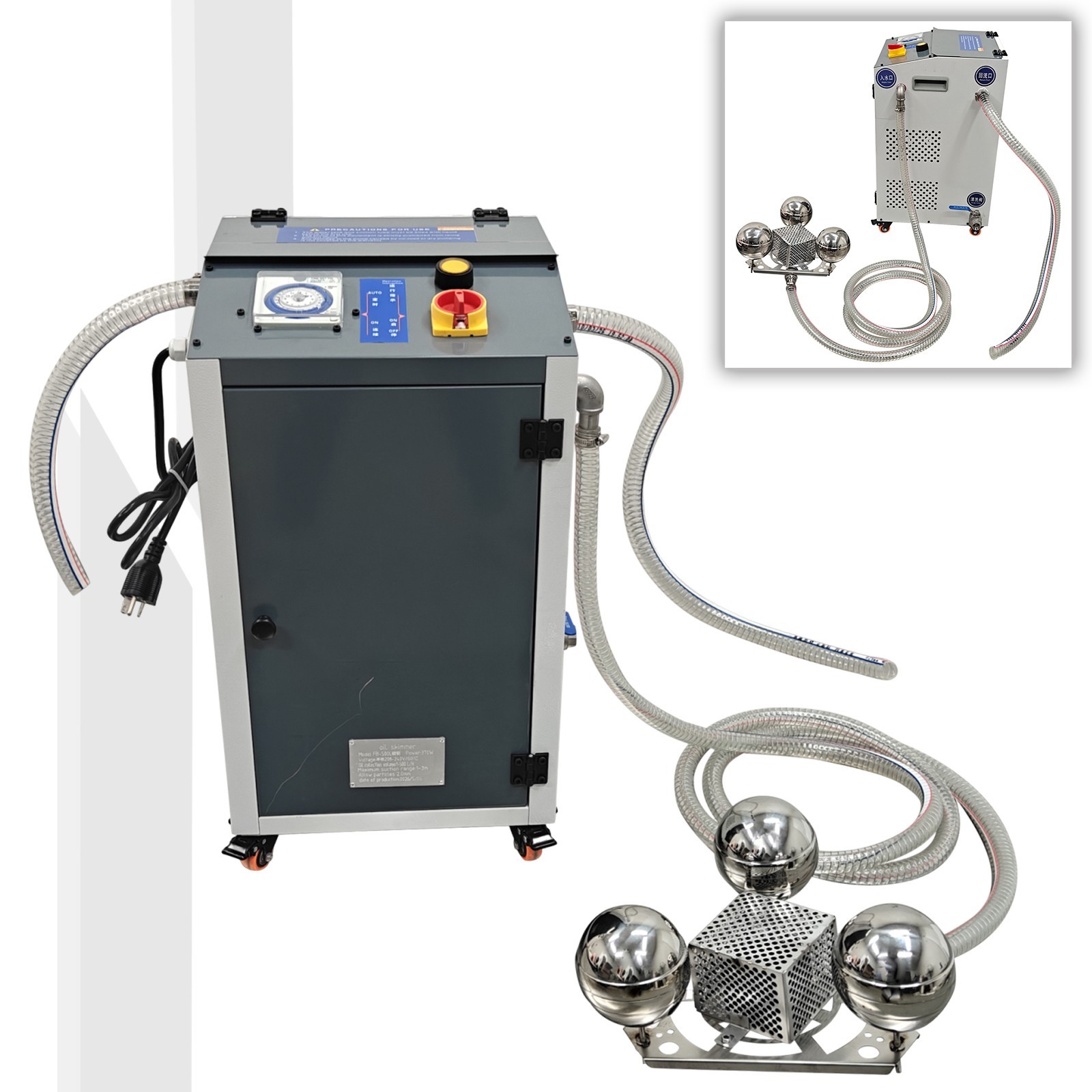
The main reason to choose this Maisutseb® unit is that it's purpose-built for cutting-fluid maintenance. Its listed features include separating floating oil from cutting fluid, extending fluid service life, protecting tooling, and improving the work environment. The oil-drain capability is especially useful if you want to reuse the recovered oil rather than discard it. But the unit's requirements are significant: it's specified for 208-240V three-phase power, and the listed price is USD 1,886.00. That makes it a major outlay compared to a filter sock, and it's only practical if your workspace is wired for three-phase. For a one-person shop without that infrastructure, it would be hard to justify. This is a machine-tool partner, not a universal filter.
Industrial filter bag, 1 Micron Filter Sock Bags, Water Liquid Oil Dust Fuel-1um
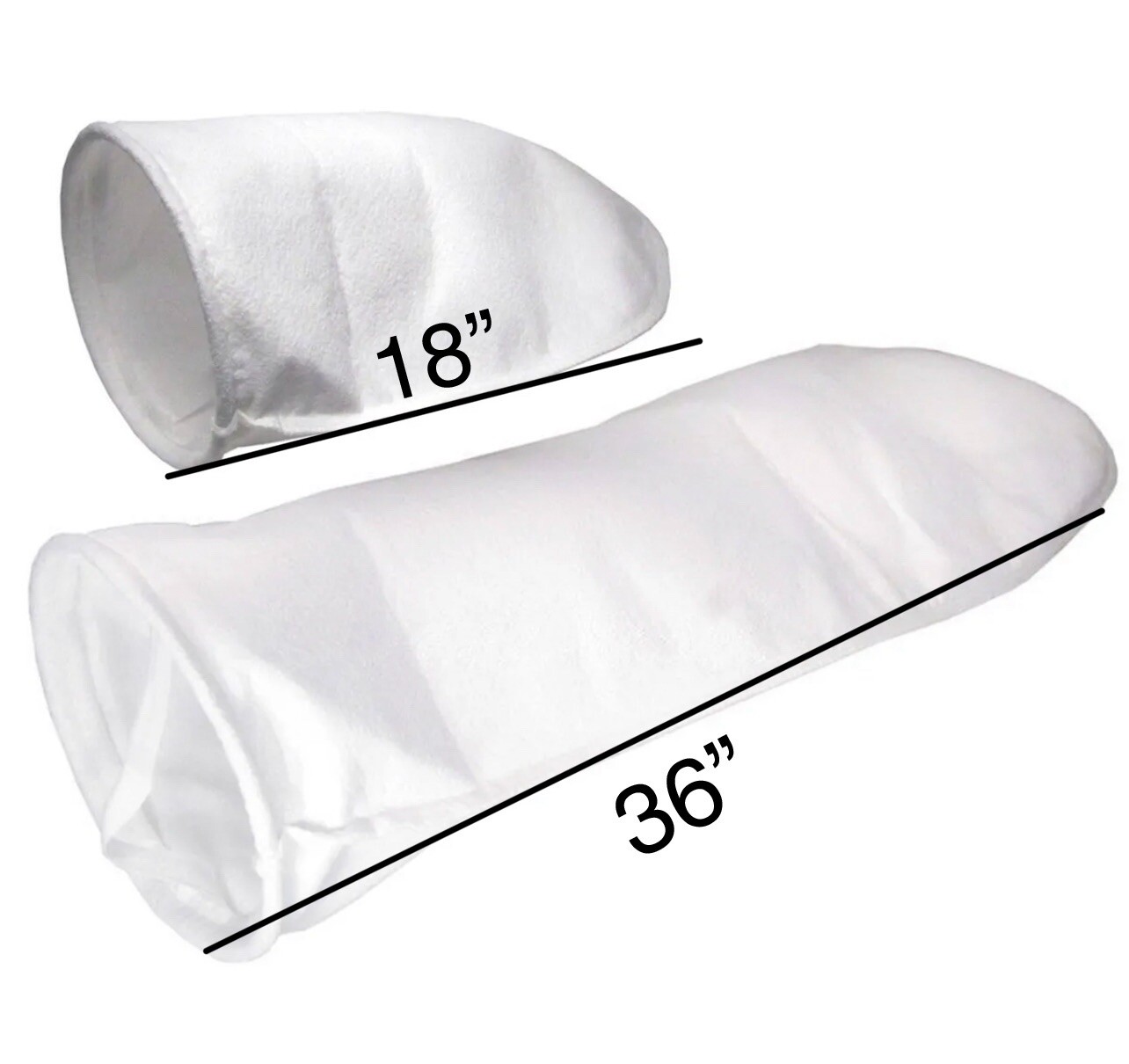
This filter sock is for anyone who wants a simple, repeatable way to filter liquids at a low listed price. The PE construction is described as suitable for water, ethanol, methanol, and other solvents, and the 1-micron rating targets extra-fine particles. The welded-and-sewn round-bottom design is said to add surface area, and the non-corrosive metal ring is listed at 7 inches. The attributes specify an 18-inch length and one unit, so it's one sock for one job. Its limitation: it's not a powered oil-water separator, so it won't skim floating oil off a coolant sump the way the 208-240V unit can. If you need general liquid straining in a lab or small shop, it's immediately useful; if you need coolant maintenance, look to the separator.
Final Choice by Use Case
For ongoing machine-tool work, the 208-240V Industrial Oil-Water Separator is the one that matches the scale of a coolant system. For bench filtration, small-batch straining, or fuel/solvent work, the Industrial filter bag gives you fine filtration at a much lower listed price. Pick the separator when you need continuous oil removal; pick the filter sock when you want a simple, single-unit filtration step.