Choosing between a high-power centrifugal extractor and a compact stove blower starts with matching the fan to the job. In the compressors, blowers, and air treatment space, one fan pulls contaminated air out of fume hoods and cabinets, while the other pushes warm air from a wood stove or boiler. Pick the 300W extractor when you need high-volume exhaust; pick the 120W blower when you need a less expensive, compact unit with enough pressure for stove-side work.
Quick verdict
The 300W centrifugal extractor is the better pick for fume hoods, chemical cabinets, and any job that demands high-volume exhaust. The 120W wood stove blower is the better fit for warming a room with stove or boiler heat, and it costs much less.
At a glance
| Spec | 300W Centrifugal Extractor Fan | 120W Wood Stove Blower Fan |
|---|---|---|
| Listed price | USD 184.33 | USD 58.99 |
| Power | 300W | 120W |
| Airflow | 2300 m³/h | 196 cfm (5.5 m³/min) |
| Pressure rating | 260 Pa | 350 Pa |
| Port/outlet size | 250 mm exhaust port | 11.5 x 11 cm air outlet |
| Housing/motor material | Polypropylene | Carbon steel with pure copper motor |
| Best for | Fume hood, chemical cabinet, dust/smoke/vapour exhaust | Wood stove and boiler air boosting |
Where each product wins
- Choose the 300W extractor when air volume matters most. It is designed to send fumes, dust, smoke, and vapour out through ducting, and the polypropylene housing is suited to lab-style environments where corrosion resistance counts.
- Choose the 120W blower when the job is forced air for a stove or boiler. It is far less expensive, has a compact outlet, and carries an IP54 protection rating that makes it reasonable for a stove-side spot.
Product notes
300W Centrifugal Blower Fume Industrial Extractor Fan Dust Smoke Vapour Exhaust
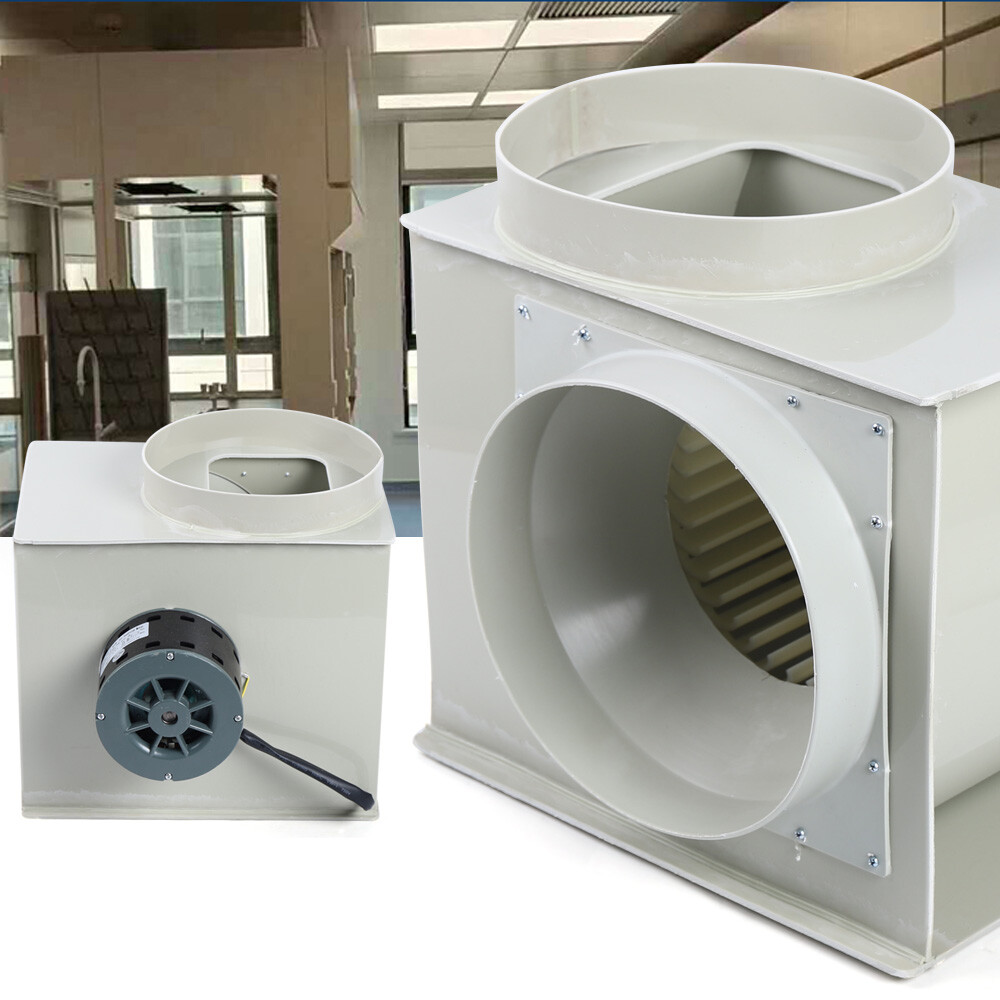
If fume extraction is the main job, this 300W fan has the airflow to handle it. It is rated at 2300 m³/h, uses a 250 mm exhaust port, and is built with polypropylene for corrosion resistance in lab-style fume hoods, medicine cabinets, and chemical cabinets. The motor wiring supports high, medium, and low speed connections, so you can tune how much air you pull. The trade-off is price and scale: at USD 184.33, it costs $125.34 more than the 120W stove blower, and the larger duct size means you need ducting to match. It also carries a 260 Pa pressure rating, which is lower than the stove blower's 350 Pa static pressure, so it is not the stronger choice for pushing air through a compact stove setup.
Centrifugal Blower Fan Industrial Fan Air Blower Fan 120w for Wood Stove, Boiler
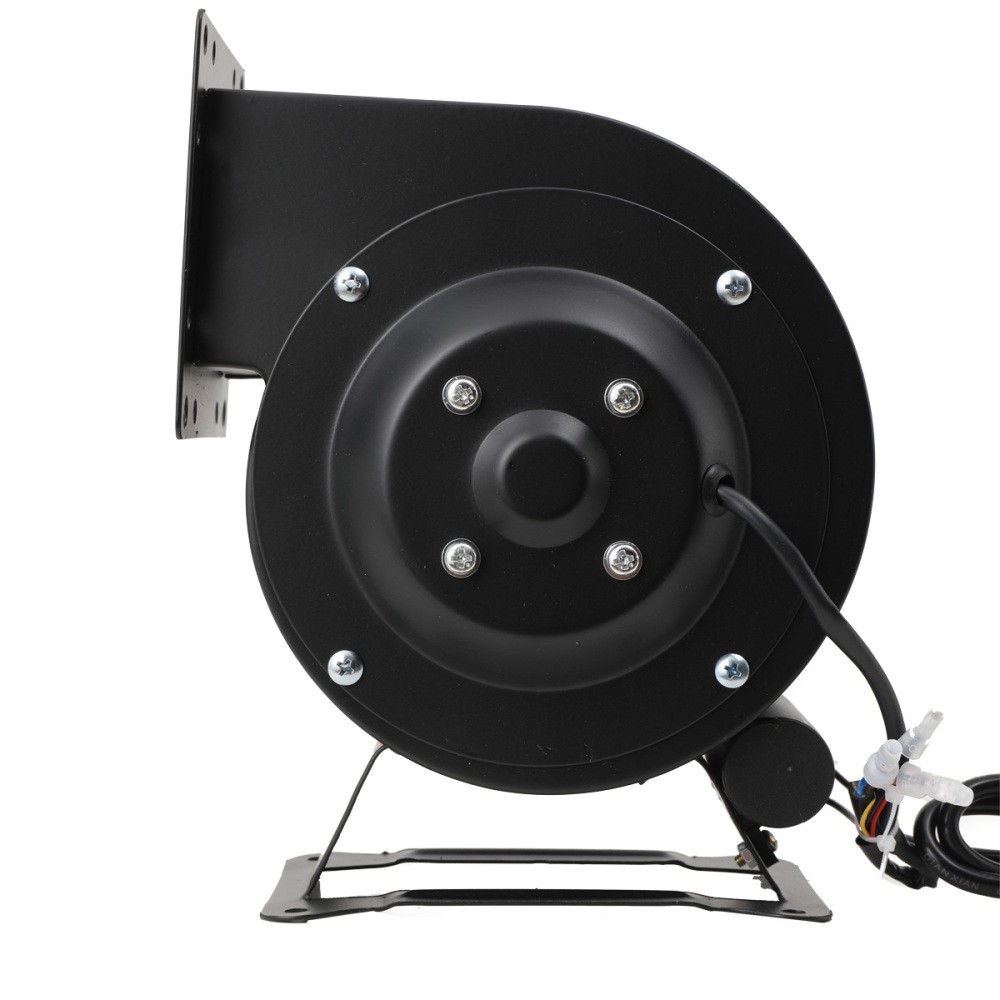
The 120W blower is the practical choice when you need to move hot air from a wood stove or boiler without taking on the cost of a high-volume extractor. It is listed at USD 58.99, uses a 120W pure copper motor, and pushes 196 cfm (5.5 m³/min) at 2600 rpm. Its 350 Pa static pressure is higher than the 300W extractor's 260 Pa rating, which helps when pushing air through stove ducts. The IP54 protection rating and carbon steel body make it reasonable for a stove-side location. The limitation is capacity: 196 cfm is a fraction of the 2300 m³/h the larger fan can move, and the 11.5 x 11 cm outlet is far smaller than the 250 mm port on the extractor. If you are trying to clear a fume hood or chemical cabinet, this fan will come up short.
Final choice by use case
For fume hoods, chemical cabinets, dust, smoke, and vapour exhaust, choose the 300W centrifugal extractor. It delivers the volume and duct size needed for that kind of ventilation.
For wood stoves and boilers, choose the 120W blower. It is much less expensive, has a smaller outlet, and produces enough static pressure to push warm air through a stove-side setup.